Olympic National Park
WA
Park Alerts (4)
About Olympic National Park
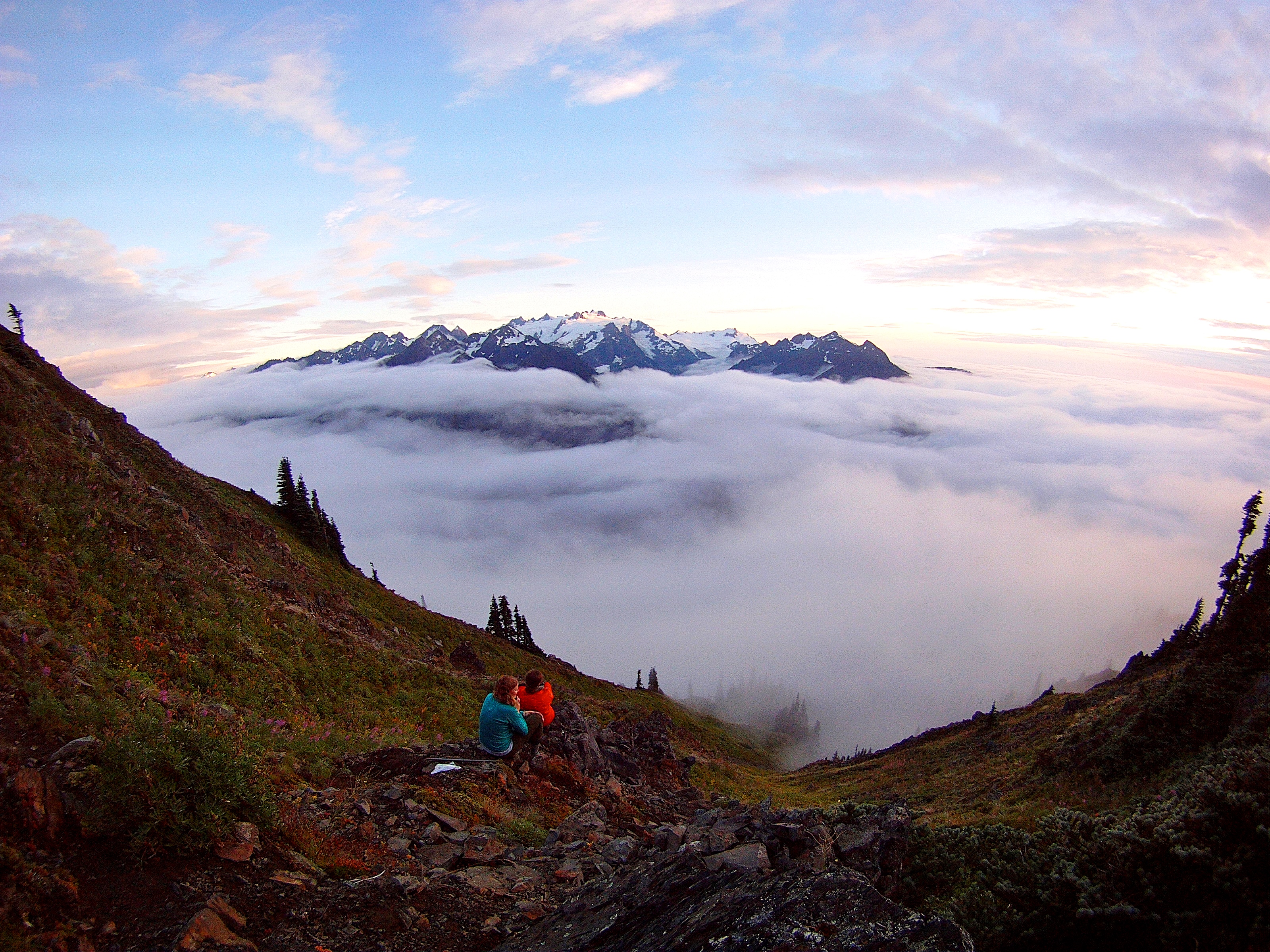
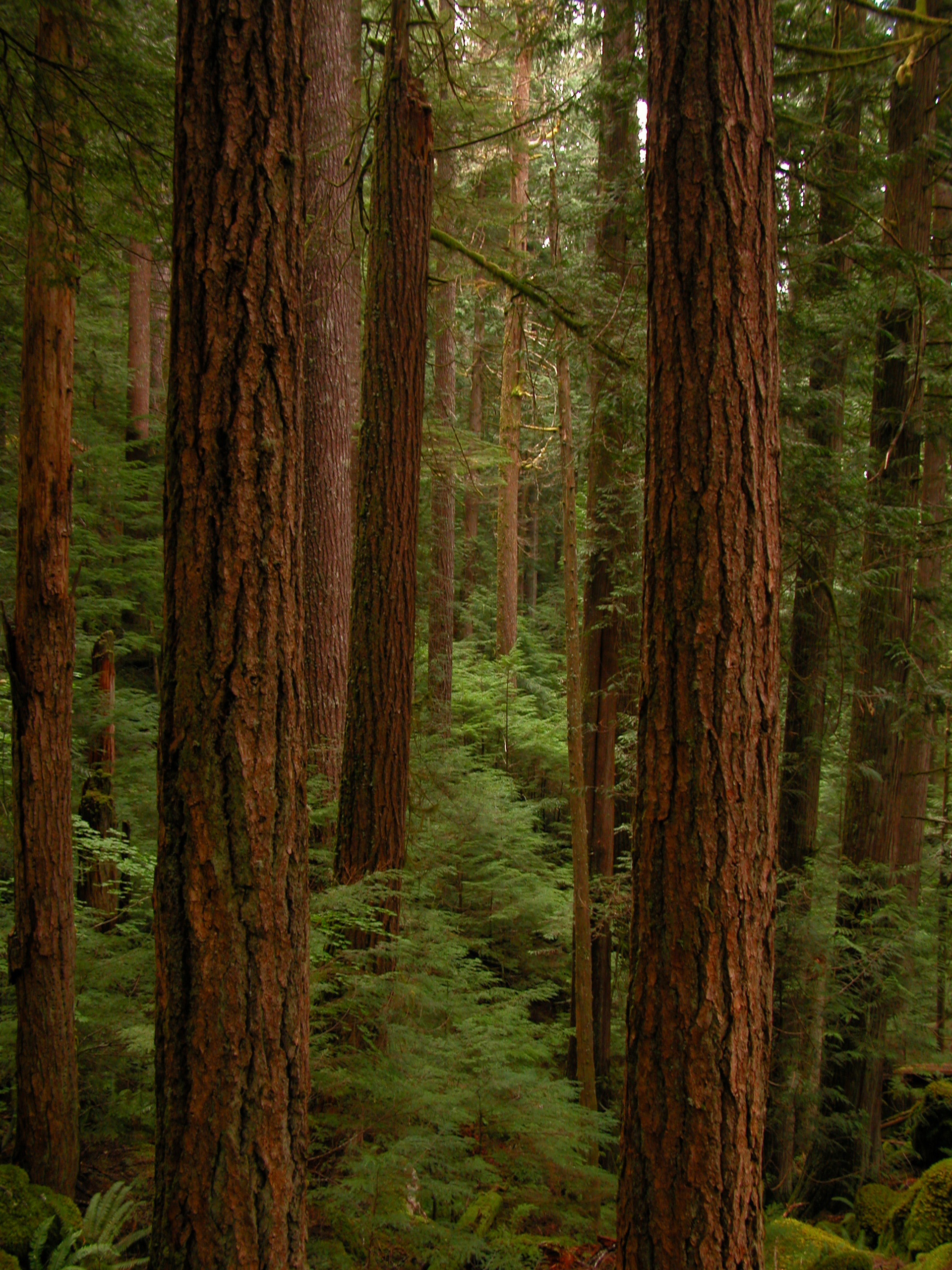
With its incredible range of precipitation and elevation, diversity is the hallmark of Olympic National Park. Encompassing nearly a million acres, the park protects a vast wilderness, thousands of years of human history, and several distinctly different ecosystems, including glacier-capped mountains, old-growth temperate rain forests, and over 70 miles of wild coastline. Come explore!
Things To Do
Showing 6 of 10
Walk the Moments in Time Trail
Take a peaceful stroll at Barnes Point on Lake Crescent on the Moments in Time Trail.
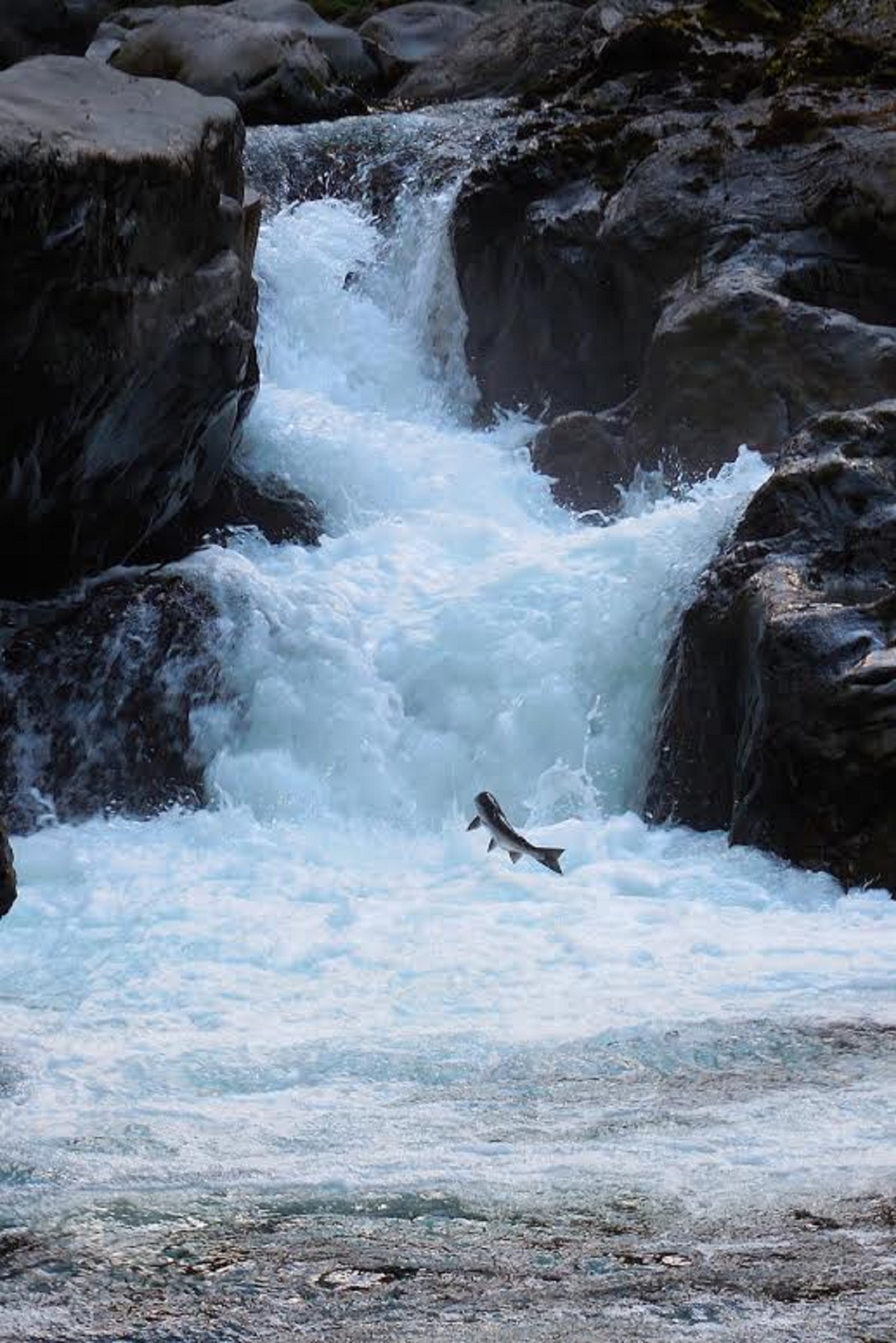
Watch for Salmon at Salmon Cascades
In the late summer and early fall, salmon can be seen leaping from Salmon Cascades on the Sol Duc River! Get a glimpse on a viewing platform located above the cascades.
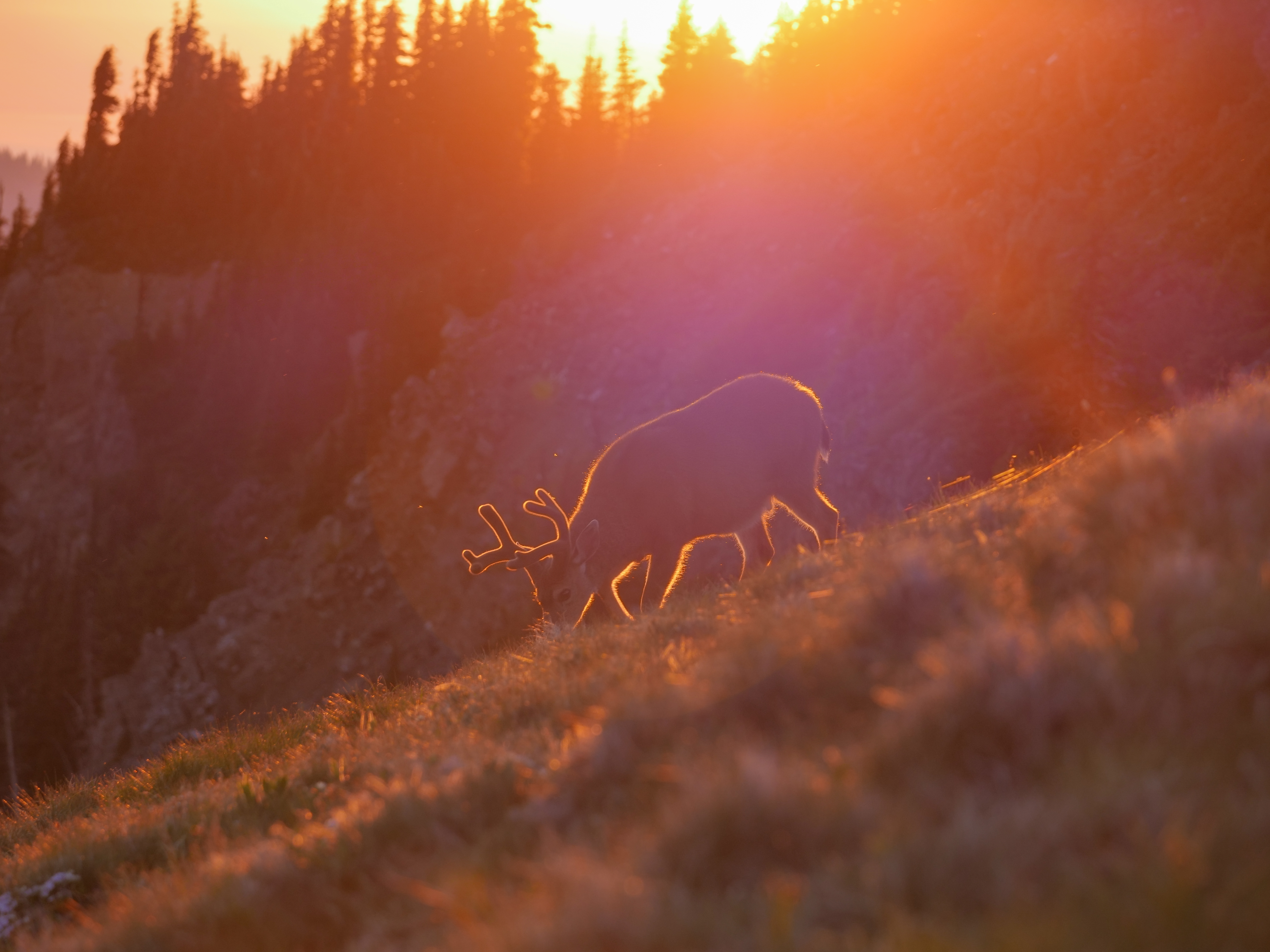
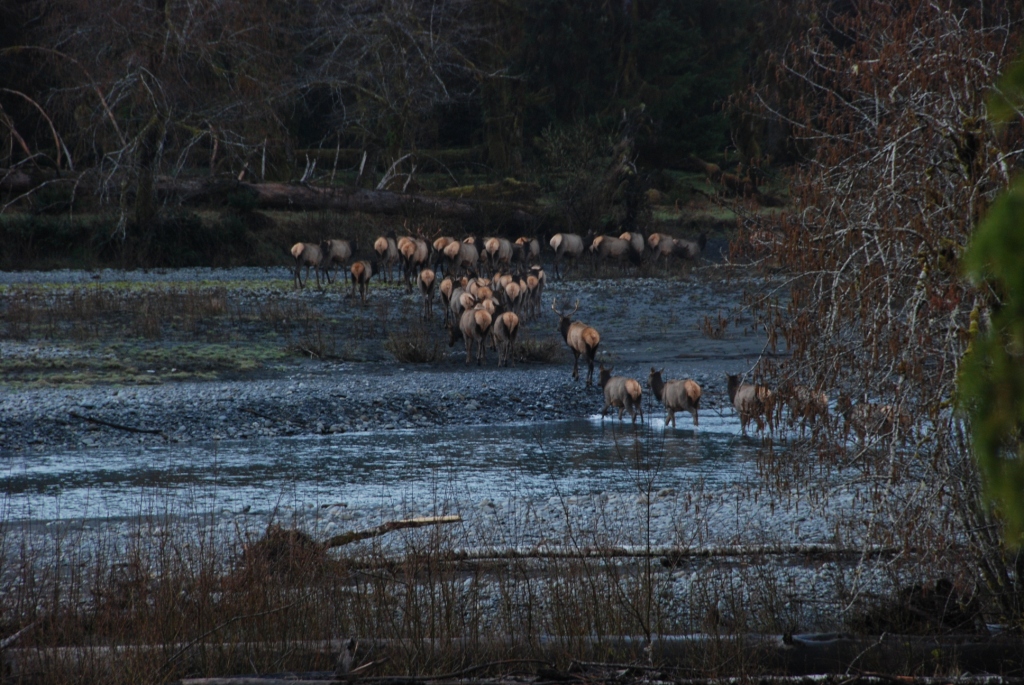
Observe Animals at Olympic National Park
In the park, we humans are privileged to be visitors to wild animals' home. We can treat their home with respect and care.
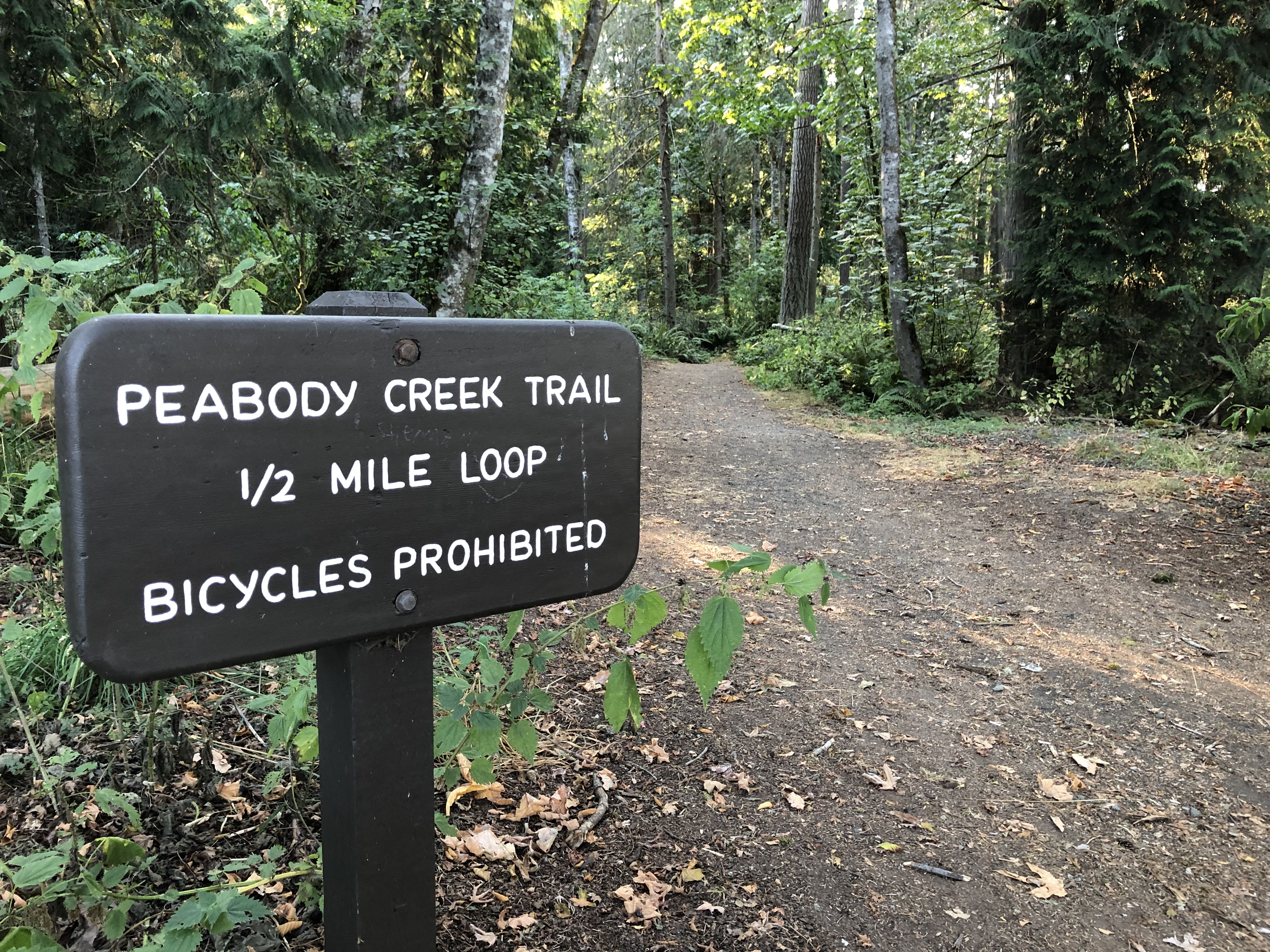
Take a Short Hike Near the Visitor Center
Near the Olympic National Park Visitor Center, two short loop hikes take visitors through peaceful, green lowland forests.

See Madison Falls
Madison Falls is a stunning 60-foot waterfall near the Elwha River. It's also one of the most accessible destinations at the park, making it a great stop for families and visitors of all abilities.

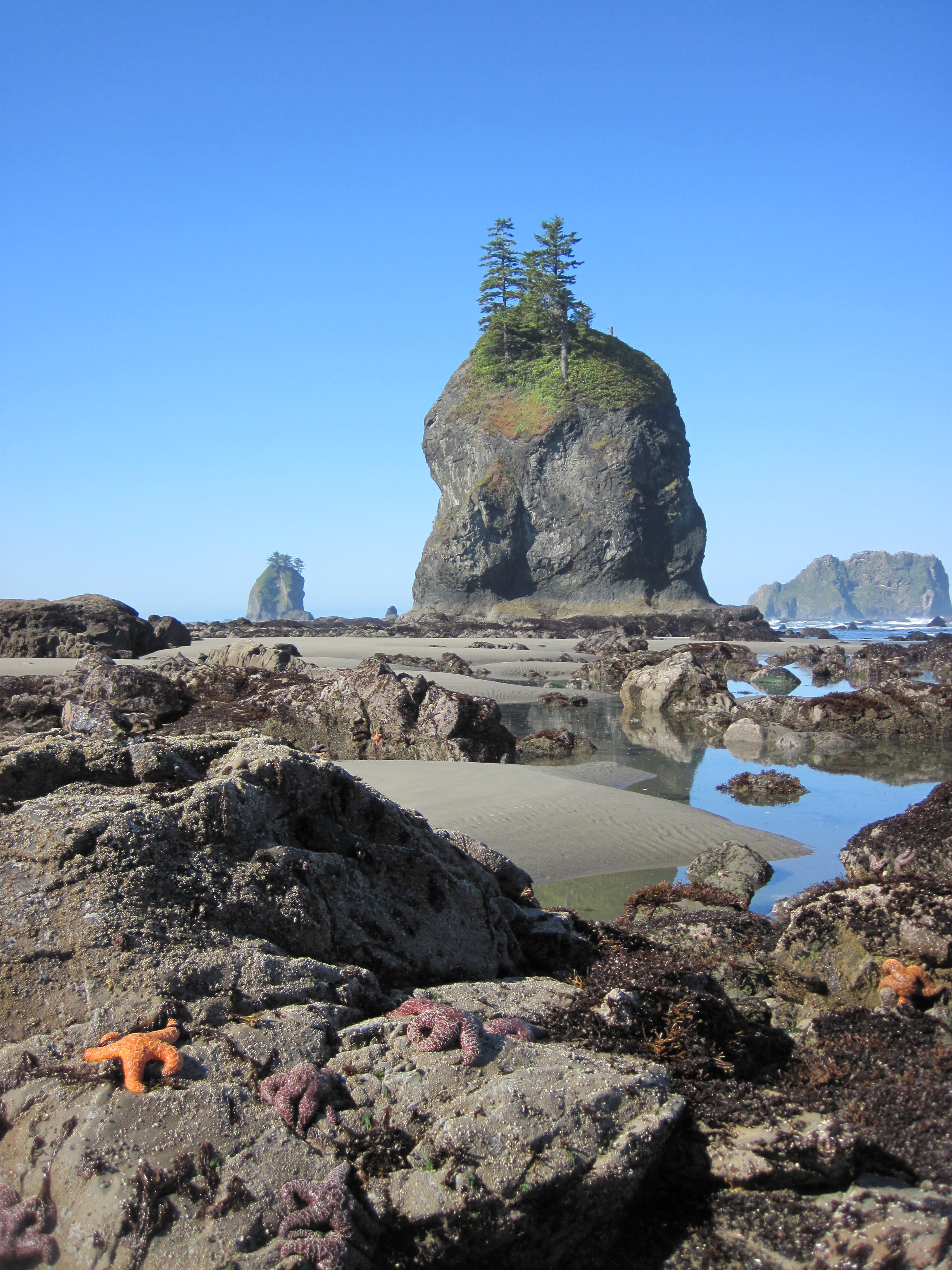
Go to the Beach
A trip to the Olympic Coast is sure to be memorable! Olympic National Park contains several beach areas along the coast, each with something to offer. Learn more about popular beaches and start planning your trip!
Available Activities
Weather
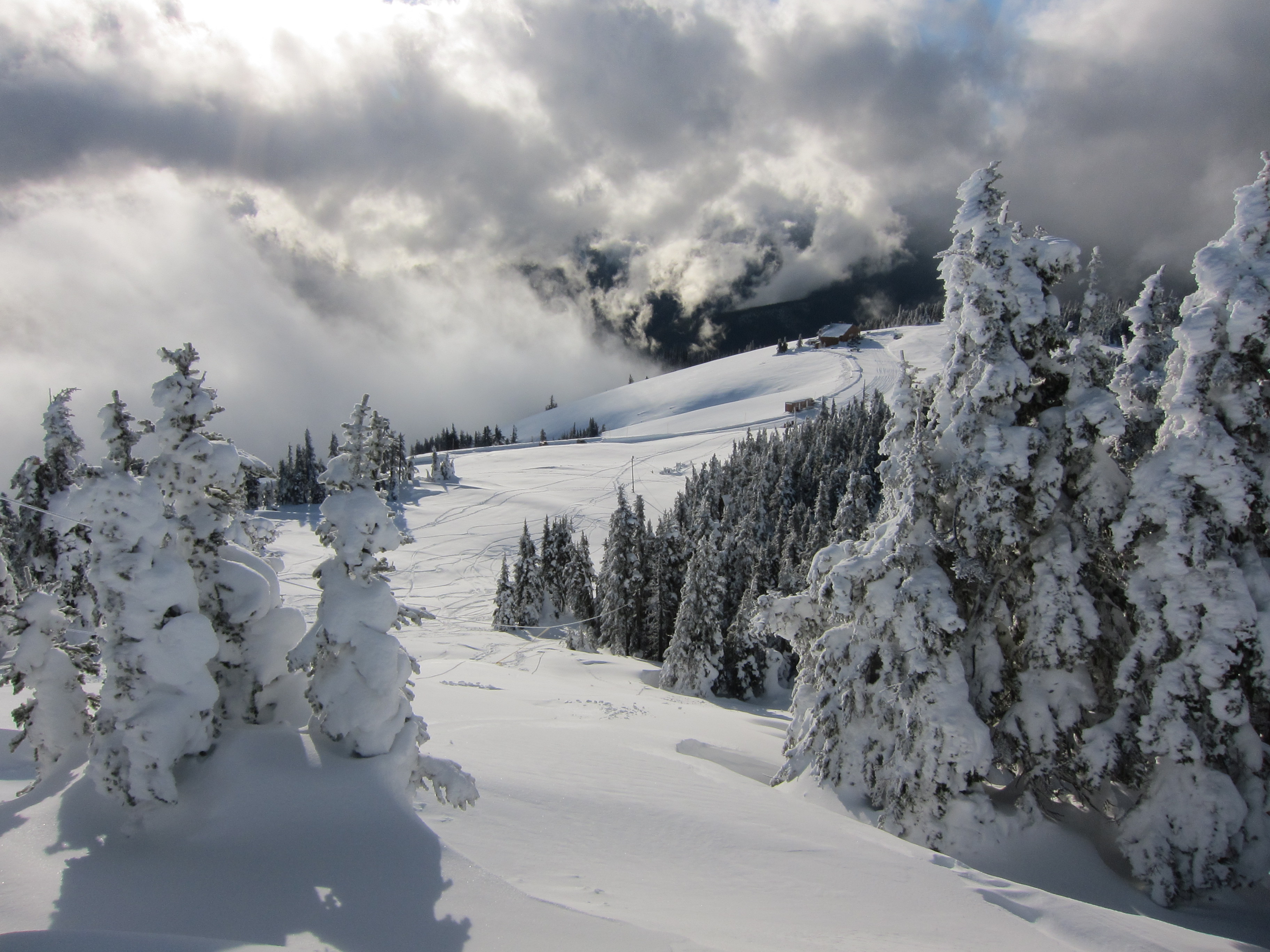
Summers tend to be fair and warm, with high temperatures between 65 and 75 degrees F. July, August and September are the driest months, with heavier precipitation during the rest of the year. While winters are mild at lower elevation, snowfall can be heavy in the mountains.
It is common for different weather conditions to exist within the park at the same time. At any time of year, visitors should come prepared for a variety of conditions.
Getting There
You can reach Olympic National Park via the I-5 corridor or by any one of the quieter state roadways. Once you arrive on the Olympic Peninsula connect to Hwy 101 to reach any destinations in and around Olympic National Park. From Olympia: take I-5 to Hwy 101 From Tacoma: take State Route 16 to Bremerton; take State Route 3 north from Bremerton to State Route 104.
From Washington/Oregon Coast connect to Hwy 101 in Aberdeen.
Plan Your Visit
Let Cairn help you plan the perfect trip to Olympic National Park with AI-powered itineraries.
Start PlanningHours
Olympic National Park
Olympic National Park is open 24 hours a day year-round, although some roads, campgrounds and facilities are open seasonally.
Entrance Fees
Entrance - Private Vehicle
Valid for seven consecutive days. Applies to private, non-commercial vehicles (15 passenger capacity or less). The pass covers all vehicle occupants.
Entrance - Motorcycle
Valid for 7 days. Admits up to 2 private, non-commercial motorcycles with up to 4 total passengers.
Entrance - Per Person
Valid for seven consecutive days. This fee admits one person without a vehicle, including hikers, bicyclists, and pedestrians. Individuals fifteen years or younger are admitted free of charge.
Commercial Entrance - Van
A commercial tour is defined as persons traveling on an itinerary that has been packaged, priced or sold for leisure recreational purposes by an organization that realizes financial gain through the provisions of the service.
Commercial Entrance - Mini-bus
A commercial tour is defined as persons traveling on an itinerary that has been packaged, priced or sold for leisure recreational purposes by an organization that realizes financial gain through the provisions of the service.
Commercial Entrance - Motor Coach
A commercial tour is defined as persons traveling on an itinerary that has been packaged, priced or sold for leisure recreational purposes by an organization that realizes financial gain through the provisions of the service.