Mount Rainier National Park
WA
Park Alerts (5)
About Mount Rainier National Park
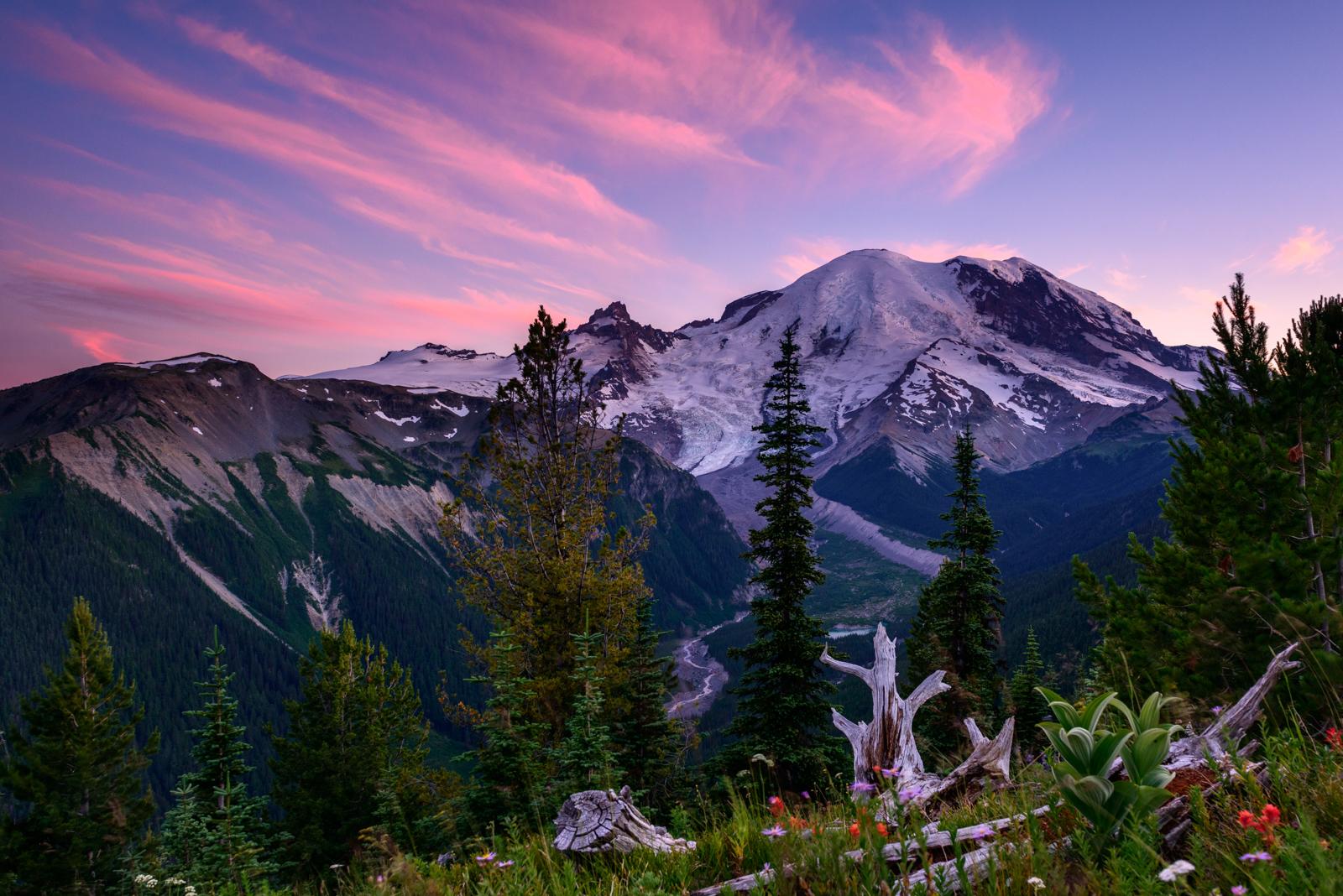
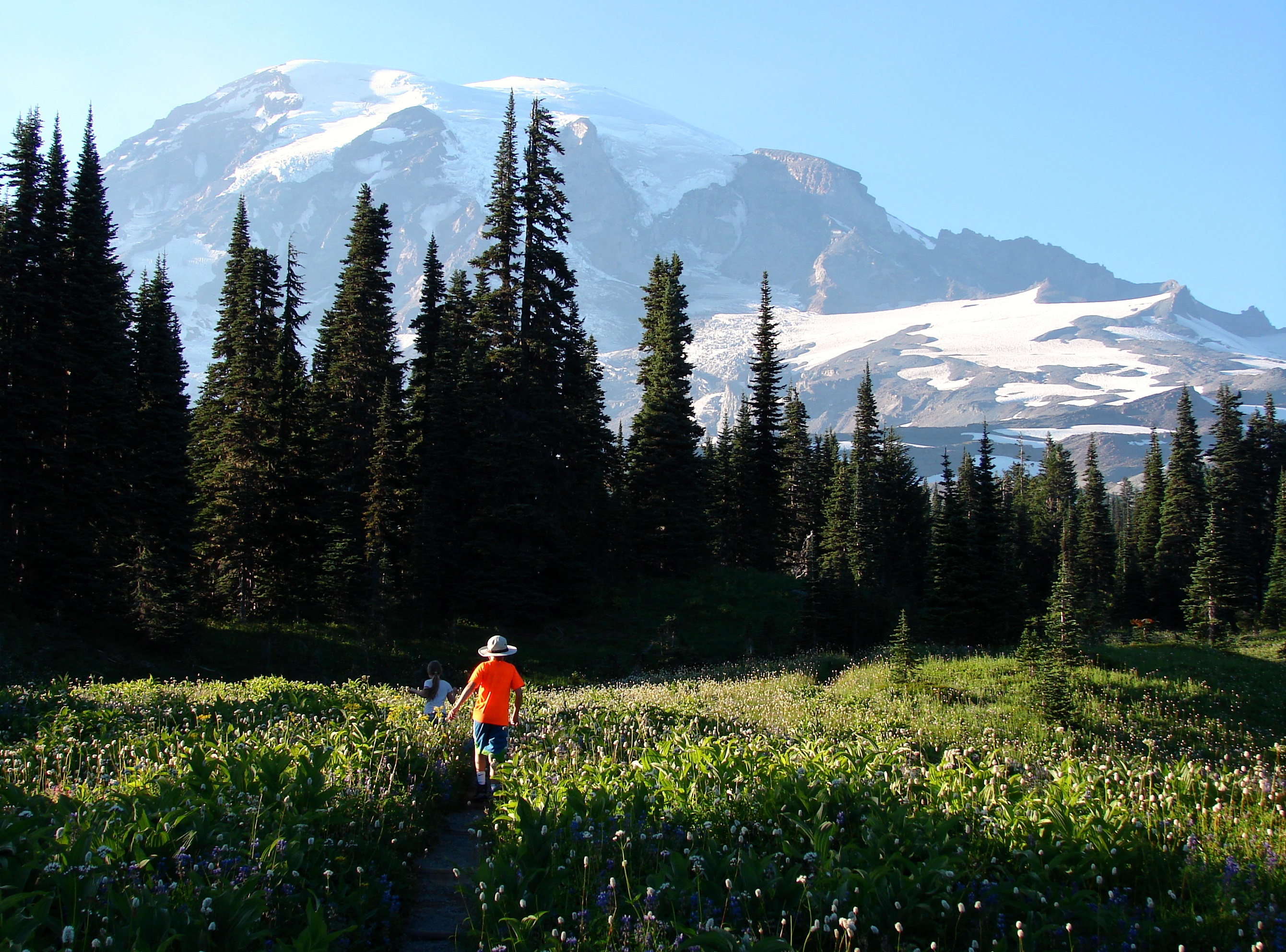
Ascending to 14,410 feet above sea level, Mount Rainier stands as an icon in the Washington landscape. An active volcano, Mount Rainier is the most glaciated peak in the contiguous U.S.
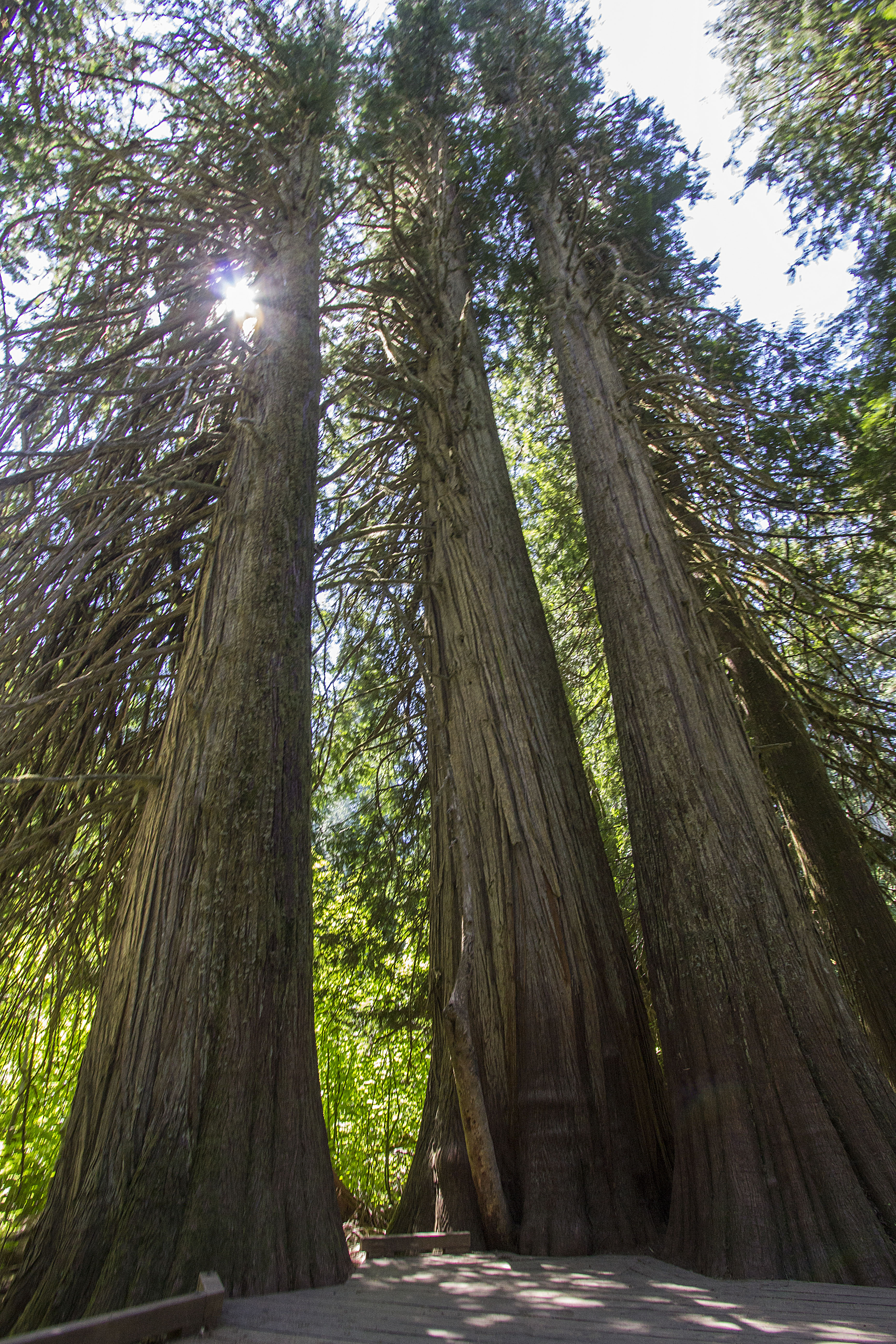
A., spawning five major rivers. Subalpine wildflower meadows ring the icy volcano while ancient forest cloaks Mount Rainier’s lower slopes.
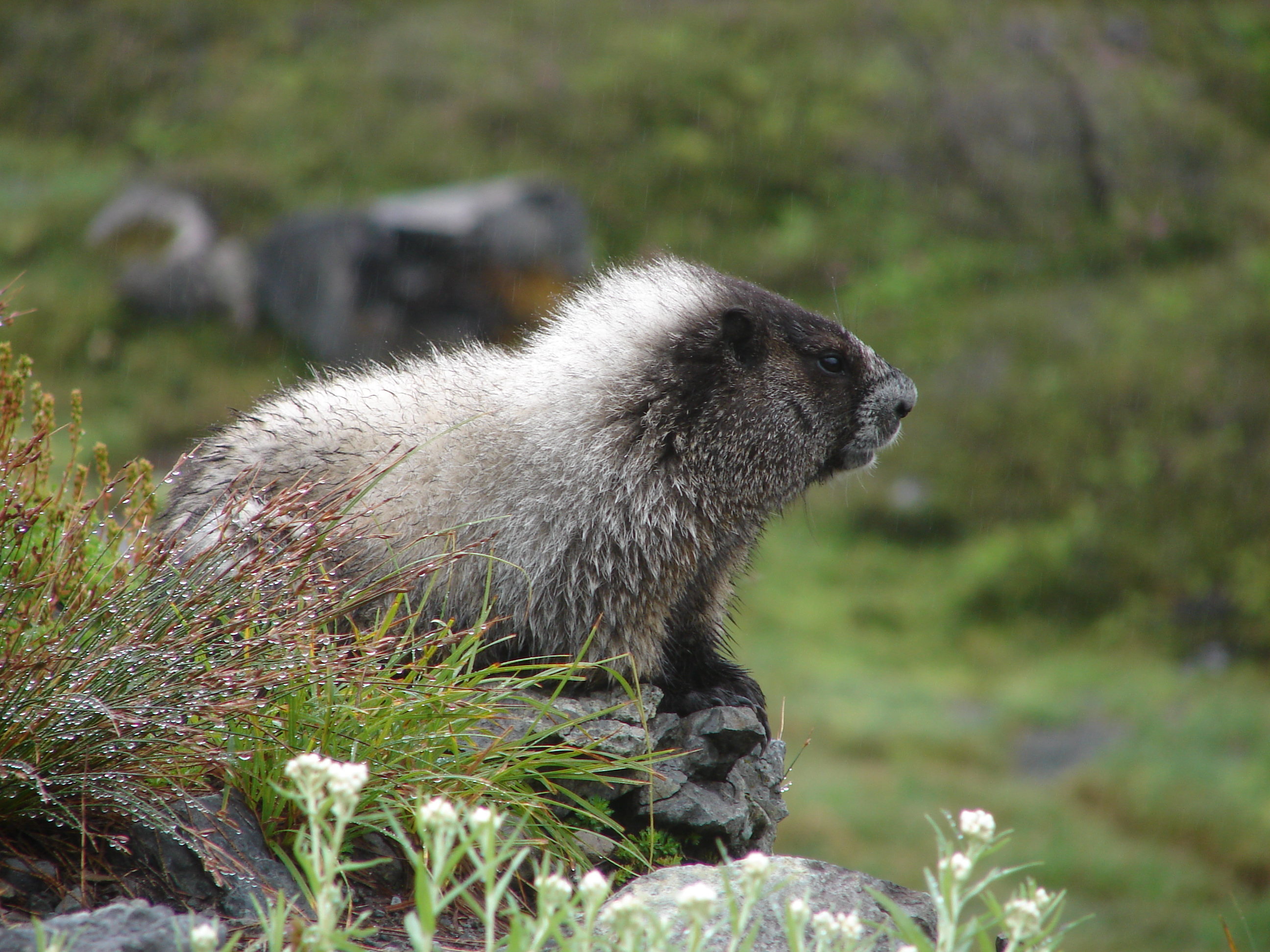
Wildlife abounds in the park’s ecosystems. A lifetime of discovery awaits.
Things To Do
Showing 6 of 20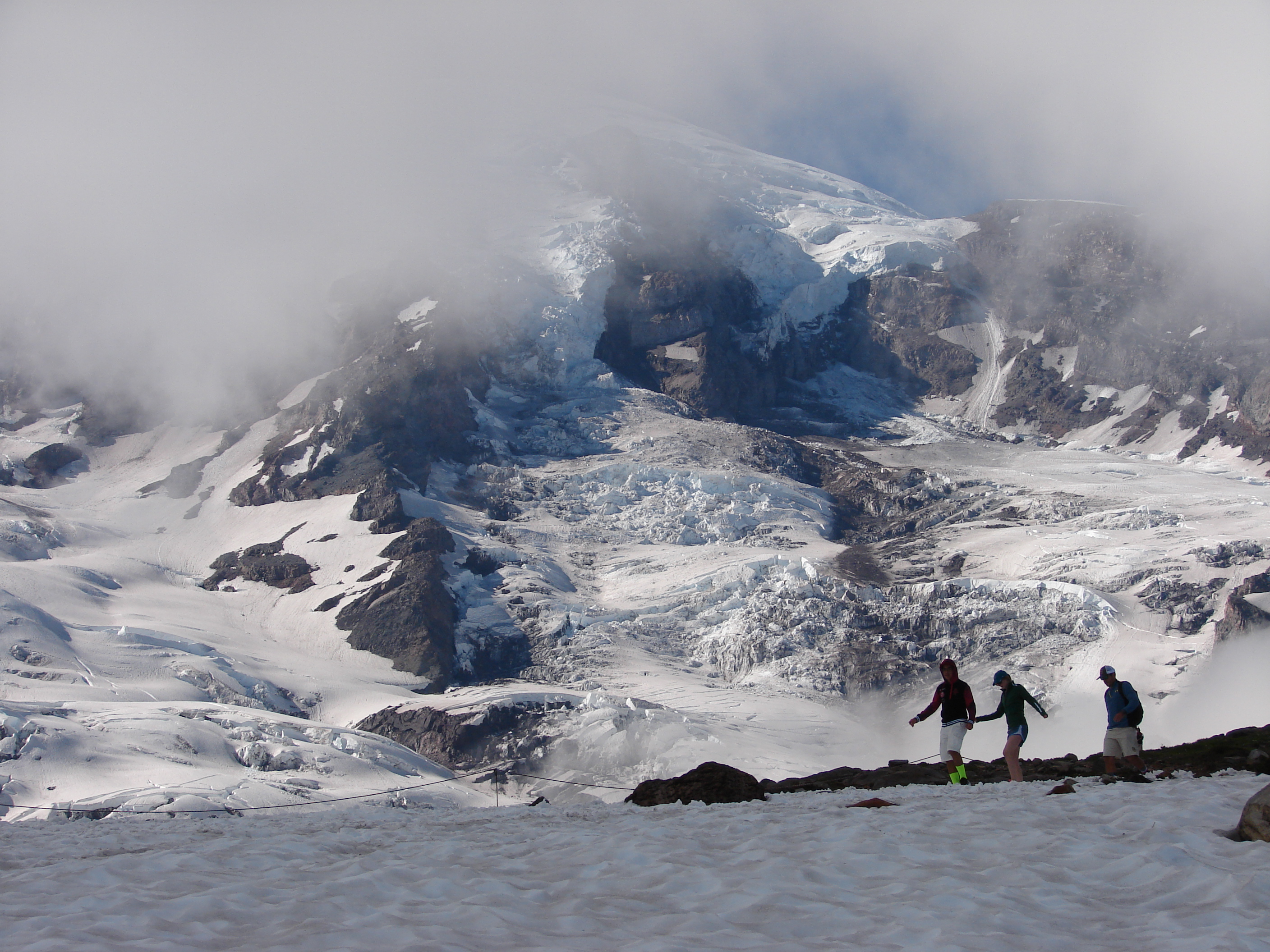
Spring Recreation
Spring comes slowly to the mountain. While wildflowers bloom along city streets, the snow at Paradise may be higher than your head! Planning your spring trip to the mountain in advance is key to a safe and enjoyable visit.
Road Trip Around the Mountain
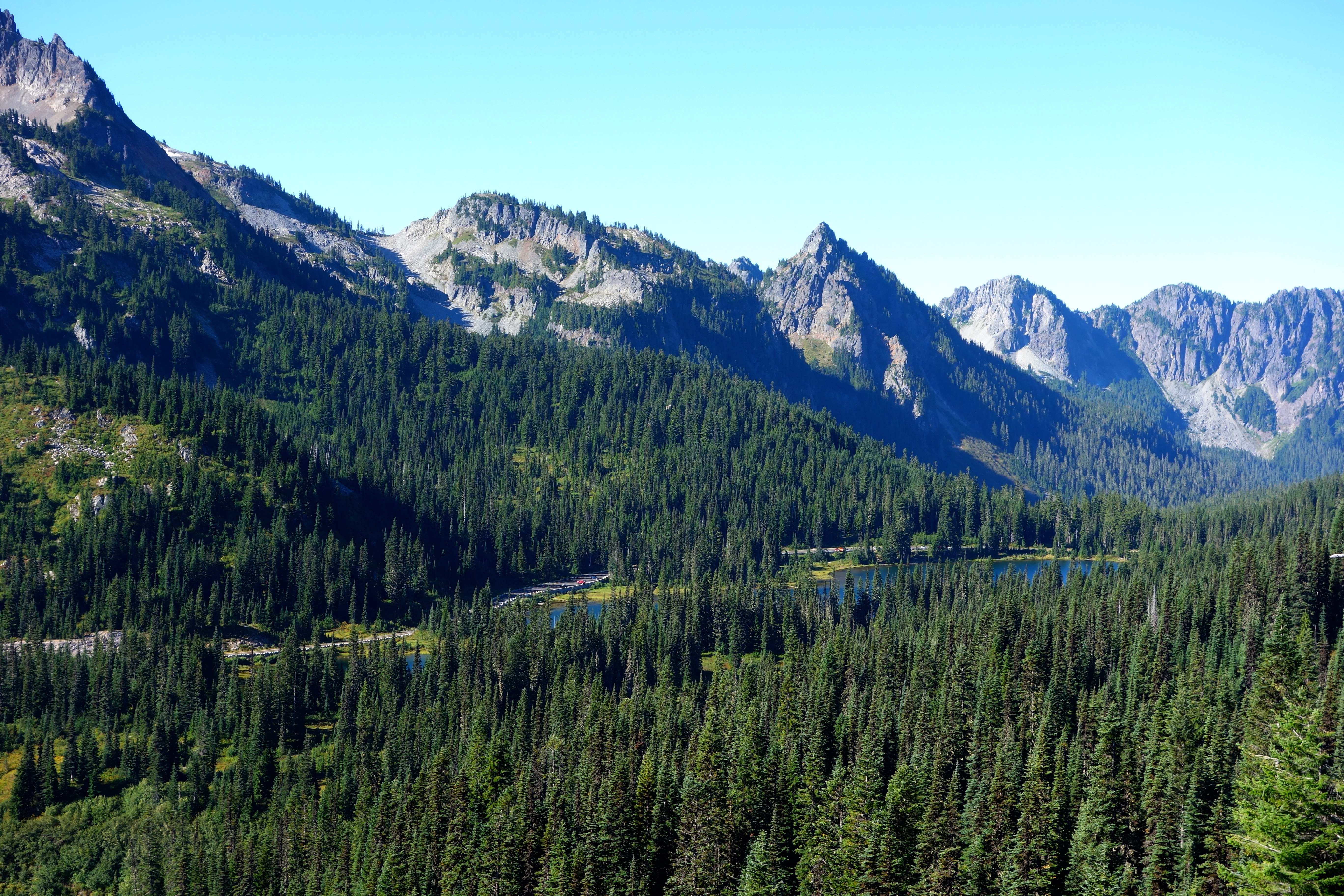
Even if you never step foot outside your vehicle, a drive through Mount Rainier National Park can be a rewarding experience. This road trip experience follows the historic design of the park from Nisqually Entrance to Paradise and then connects to the east side and Sunrise.
Kid-Friendly Hikes at Mount Rainier
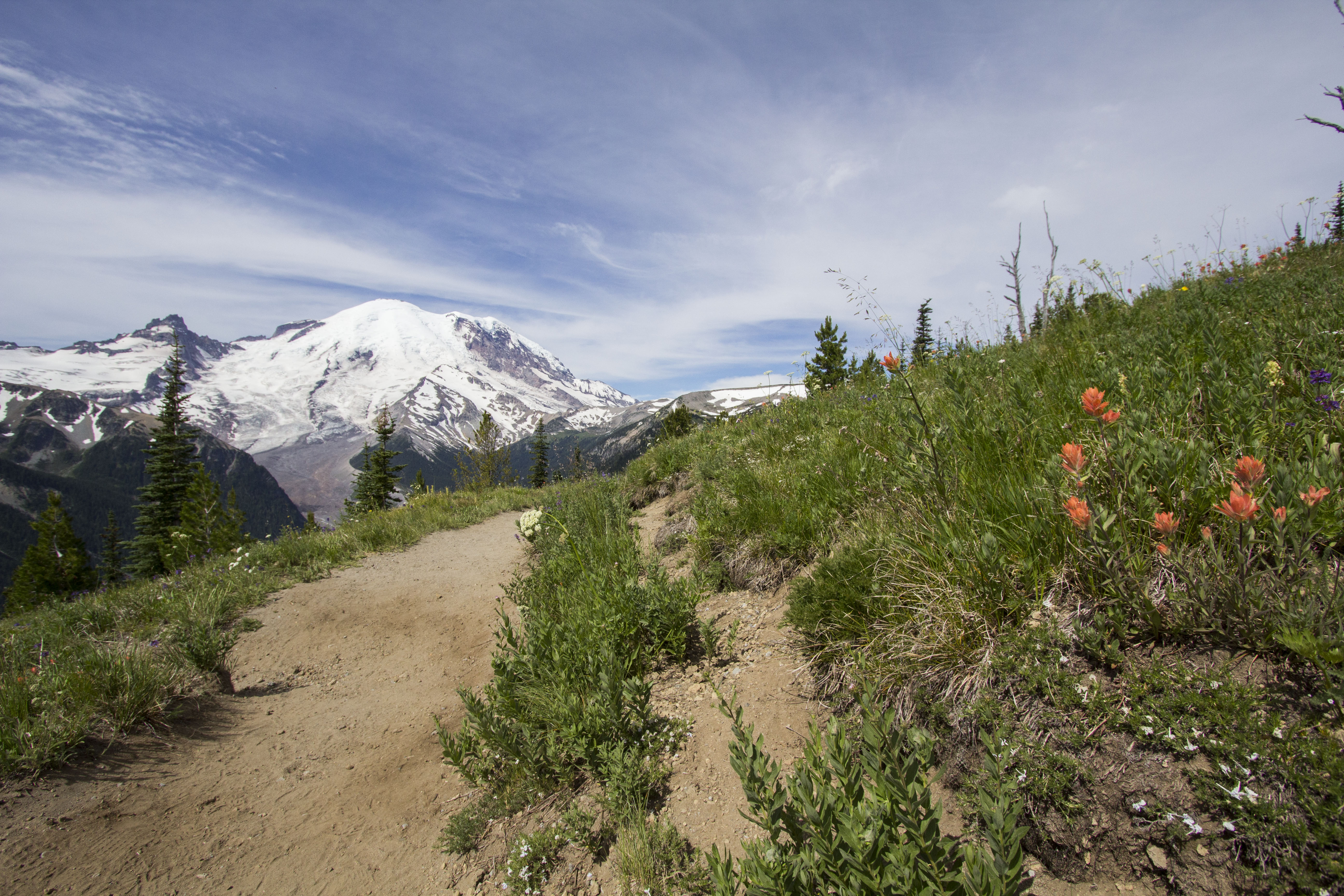
Looking for kid friendly hikes to do while visiting Mount Rainier? This list should help you find the right hike for your group depending on where you are in the park.
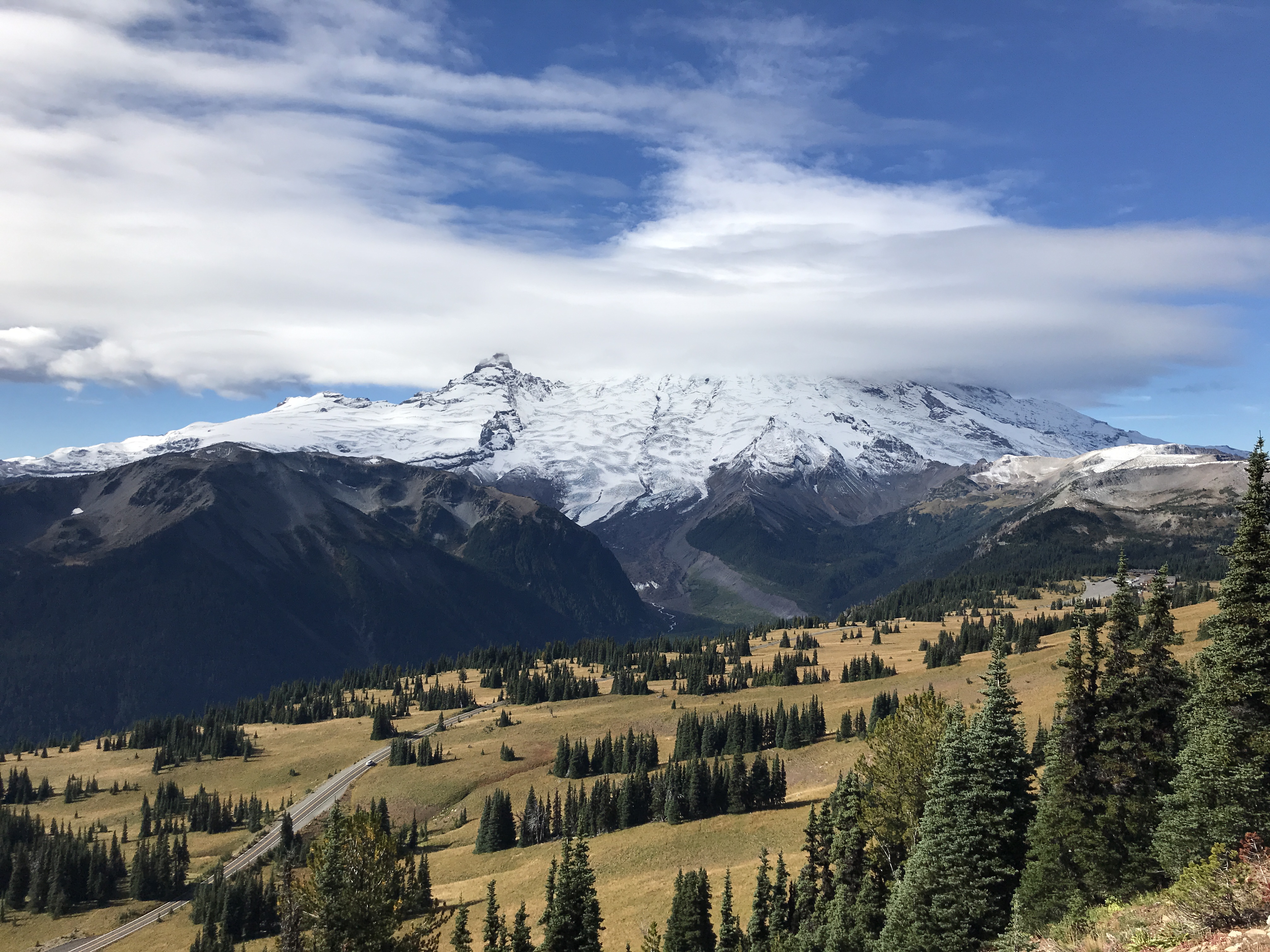
Day Hiking at Mount Rainier National Park
Looking for easy and enjoyable trails that the whole family can experience together? Consider the following trails in the Longmire, Paradise, Ohanapecosh, Sunrise, and Carbon River/Mowich areas of Mount Rainier National Park. These day hikes range from short strolls to longer trails through the wilderness.
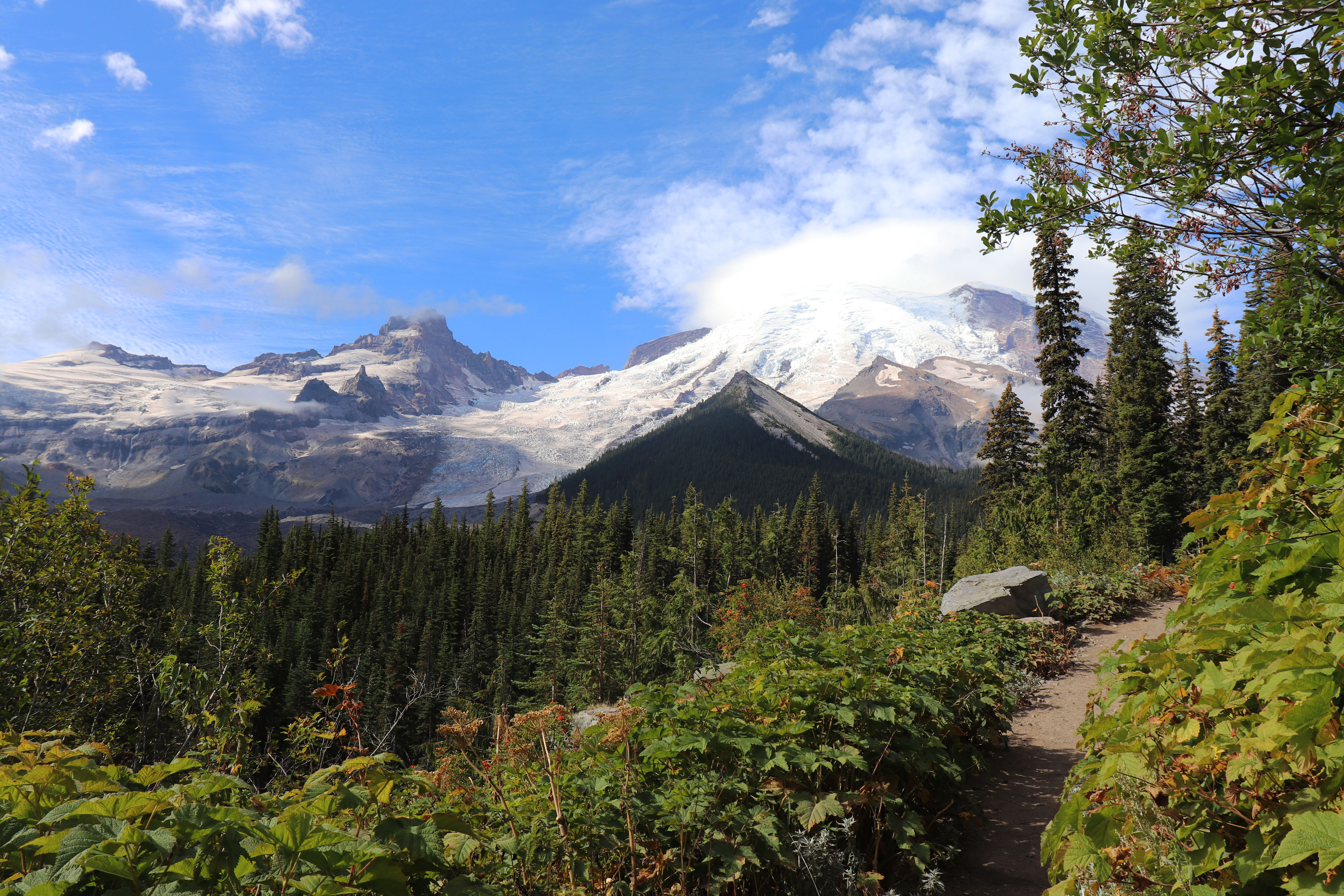
Mount Rainier: Off the Beaten Path
Mount Rainier National Park is substantial in size, but congestion still occurs during peak season and during times of nice weather. Escaping the crowds completely can be a challenge, but there are ways to still plan a rewarding visit. This guide provides alternatives to popular locations like Paradise and Sunrise. However, the secret is out! Even relatively less popular areas can still be busy.
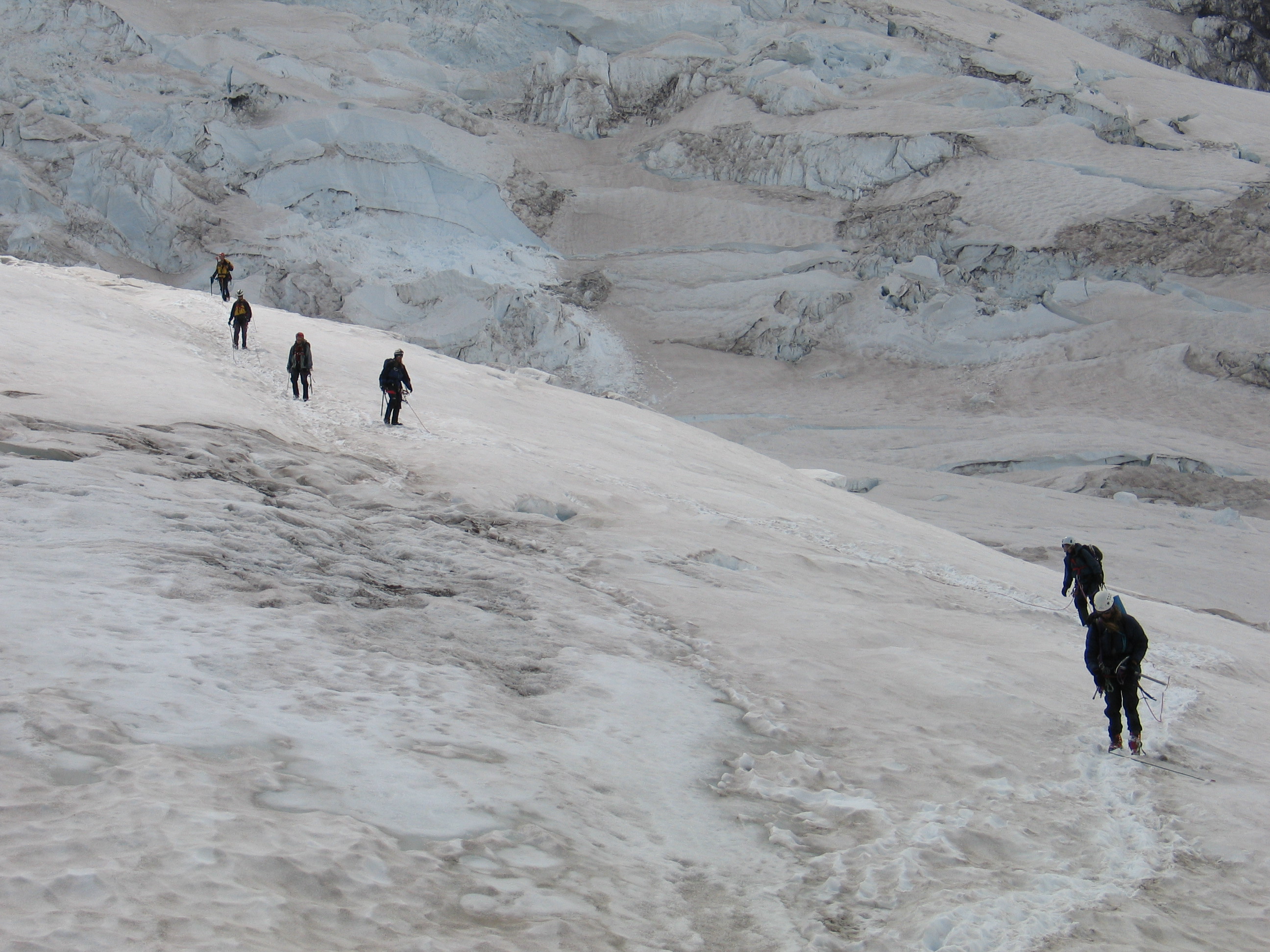
Climbing Mount Rainier
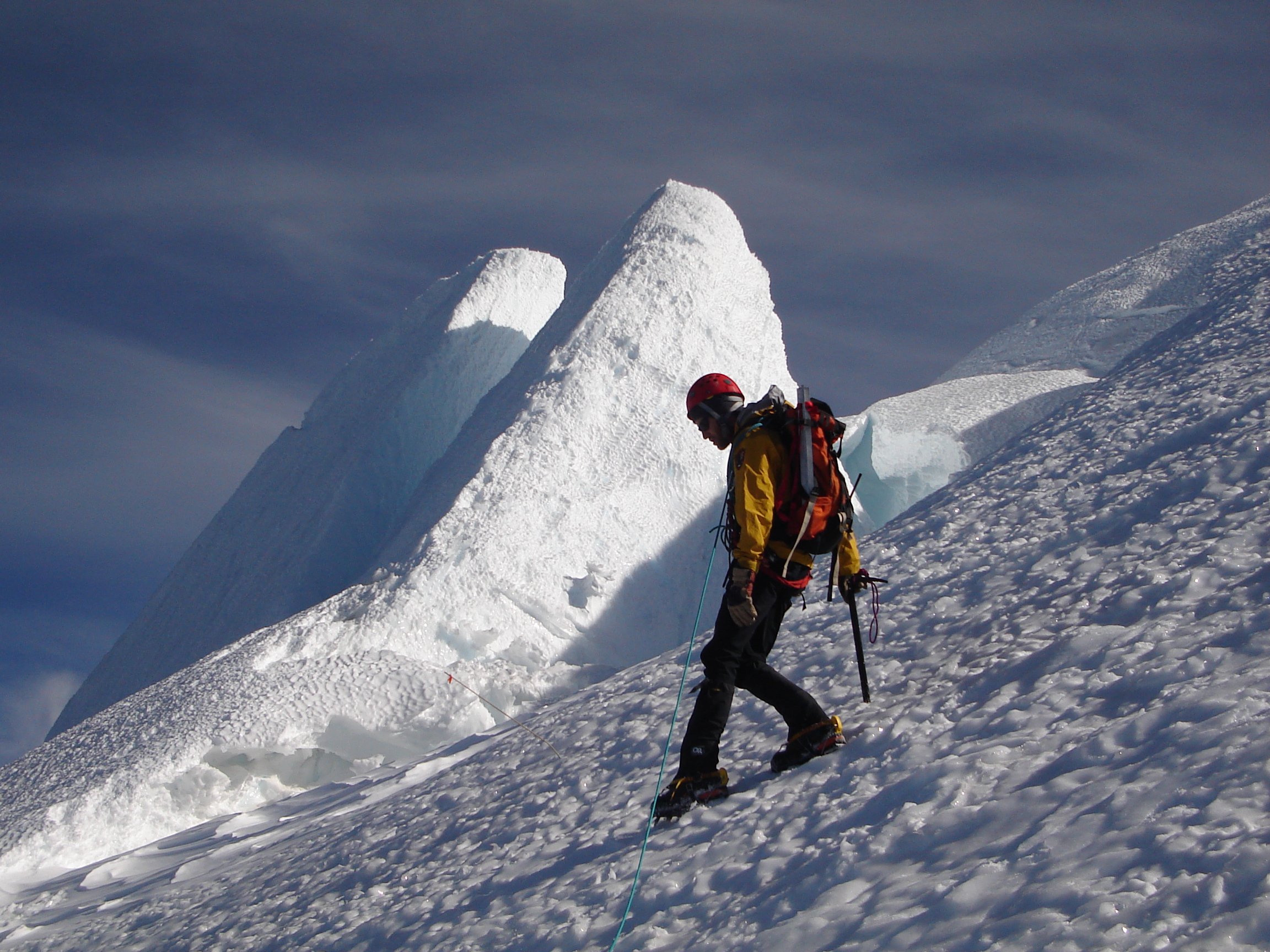
Mount Rainier, the most heavily glaciated peak in the contiguous United States, offers an exciting challenge to the mountaineer. Climbers must be in excellent physical condition and well prepared. Learn more about the requirements for climbing Mount Rainier.
Available Activities
Weather
Weather patterns at Mount Rainier are strongly influenced by the Pacific Ocean and elevation. The climate is generally cool and rainy, with summer highs in the 60s and 70s. While July and August are the sunniest months of the year, rain is very likely in spring, fall, and winter.
Visitors should be aware that mountain weather is very changeable. In the higher elevations, like Paradise, winter can last from November to May with many feet of snow on the ground.
Getting There
Mount Rainier National Park is located in west-central Washington state. Several major cities in Washington- Seattle, Tacoma, and Yakima- and Portland, Oregon, are within 200 miles of the park. For GPS to Nisqually Entrance use: 39000 State Route 706 E, Ashford, WA 98304.
Plan Your Visit
Let Cairn help you plan the perfect trip to Mount Rainier National Park with AI-powered itineraries.
Start PlanningHours
Mount Rainier National Park
Mount Rainier National Park is open all year. Visitation peaks in July and August with warmer weather and blooming wildflowers. In spring and autumn, weather determines the availability of facilities and roads. During winter months a number of roads, facilities, and entrances close for the season.
Nisqually
Located in the southwest corner of the park via SR 706, the Nisqually Entrance provides year-round access to the park. NOTE: To reach the Nisqually entrance using GPS use the address 39000 State Route 706 E, Ashford, WA 98304. Fee station. If entering the park outside of daylight hours, purchase an online pass at Recreation.gov in advance, or at the next available staffed entrance.
Carbon River
Carbon River Entrance in the northwest corner of the park is open year-round via SR165 through Wilkeson. Vehicle access is permitted only to the park entrance. Beyond that point the Carbon River Road is open to pedestrians and bicyclists. Pay entrance fees at Carbon River Ranger Station a few miles before park boundary or use payment envelopes after hours.
White River
Sunrise, White River, and southbound SR 123 are accessed via SR 410 from Enumclaw through the White River Entrance, open from late June to mid October. Fee station located on turn-off from SR 410 on the road to Sunrise. Hours may vary. Fee envelopes available for after hours.
Chinook
In summer, travelers coming from east of the Cascades can enter the park using Chinook Pass (SR410), passing under the Chinook Entrance Arch walking bridge. Entrance open June to mid-November, 24 hours a day. No fee station; purchase pass at the next available staffed entrance.
Stevens Canyon
Branching off of SR123 just north of Ohanapecosh, Stevens Canyon Entrance provides access to Stevens Canyon Road, Paradise, and the west side of the park. Open late May to mid September. Fee station with fee envelopes available after hours.
SR123/Ohanapecosh
Located along SR 123 via Hwy 12 from Yakima or Packwood, this park entrance is open 24 hours a day from late May to early November. This is the closest entrance to the Ohanapecosh area. No fee station; purchase pass at the next available staffed entrance.
SR 410/North Entrance
In summer, travelers coming from the north can enter the park using SR410, which connects to SR123 and turns east at Cayuse Pass. Entrance open late May to early November, 24 hours a day. No fee station; purchase pass at the next available staffed entrance.
Entrance Fees
Entrance - Private Vehicle
Grants unlimited entry for one vehicle and passengers for seven consecutive days. Vehicle must be private, noncommercial, and with a seating capacity of 15 or less.
Entrance - Per Person
Walk-up or single bicycle fee. Grants unlimited entry for seven consecutive days.
Entrance - Motorcycle
Valid for 7 days. Admits up to 2 private, non-commercial motorcycles with up to 4 total passengers.
Commercial Entrance - Sedan
These fees are charged only to commercial organizations, such as tour companies. This fee is determined by the seating capacity of the vehicle. For sedan with 1 to 6 seats, the fee is $30 + $15 per client.
Commercial Entrance - Van
These fees are charged only to commercial organizations, such as tour companies. This fee is determined by the seating capacity of the vehicle.
Commercial Entrance - Mini-bus
These fees are charged only to commercial organizations, such as tour companies. This fee is determined by the seating capacity of the vehicle.
Commercial Entrance - Motor Coach
These fees are charged only to commercial organizations, such as tour companies. This fee is determined by the seating capacity of the vehicle. NOTE: There are no current road restrictions for unmodified motor coaches of the standard length in the park. However, be aware that roads in the park are steep, narrow, and winding. In particular, it is recommended that RVs and vehicles with trailers longer than 25 feet LOA not travel up the Sunrise Road beyond the White River Campground intersection.