Glacier National Park
MT

Park Alerts (1)
About Glacier National Park
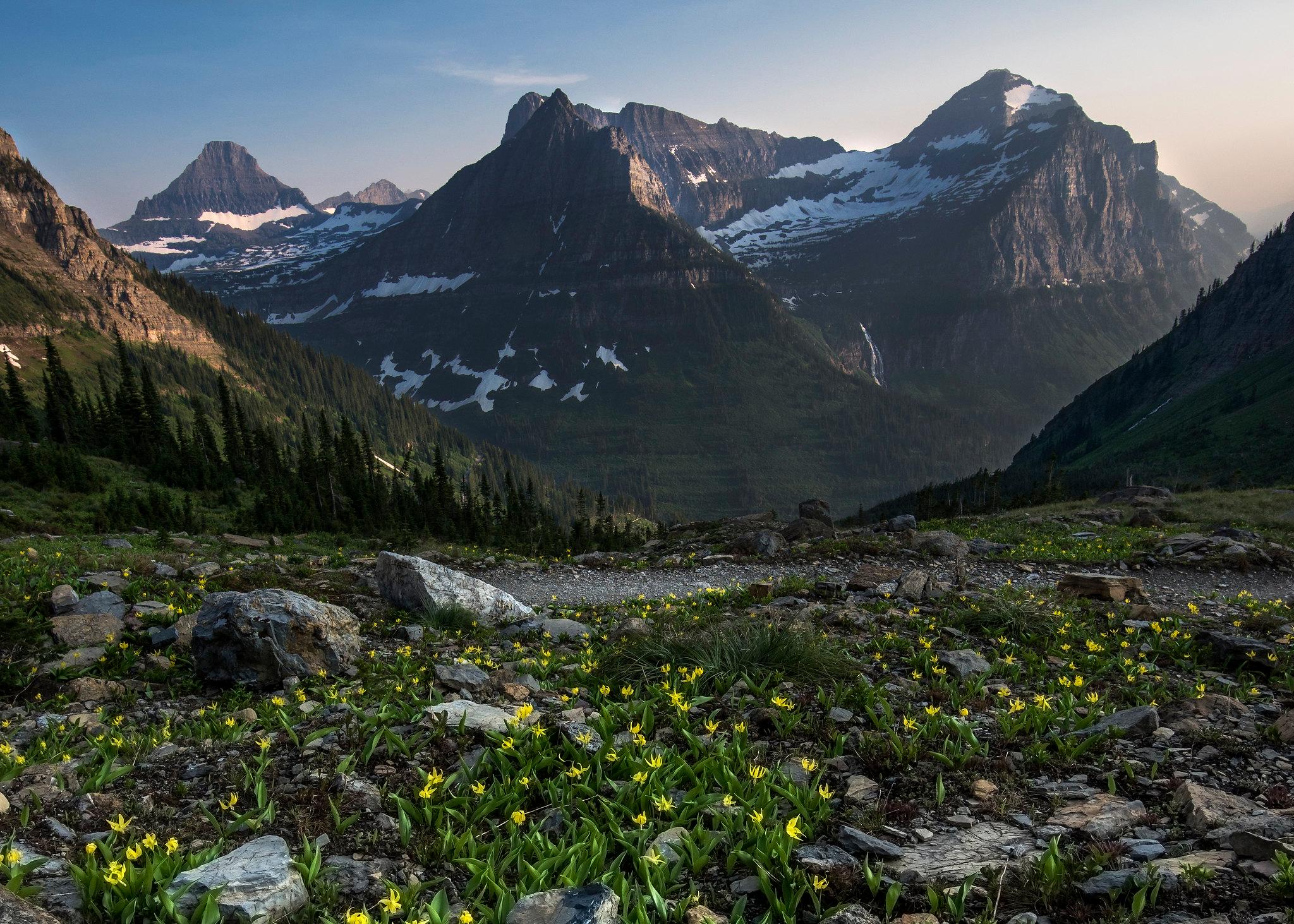
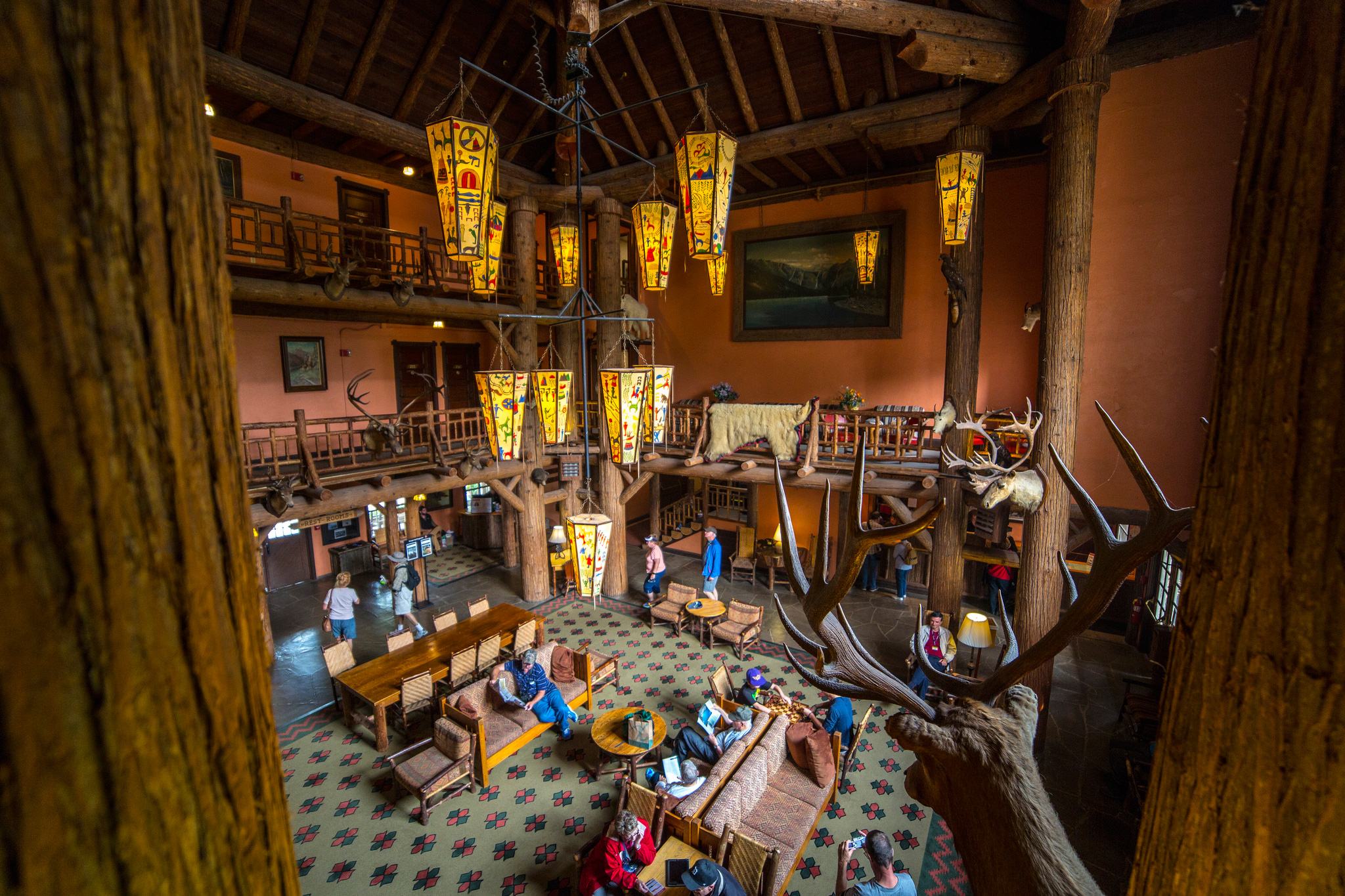
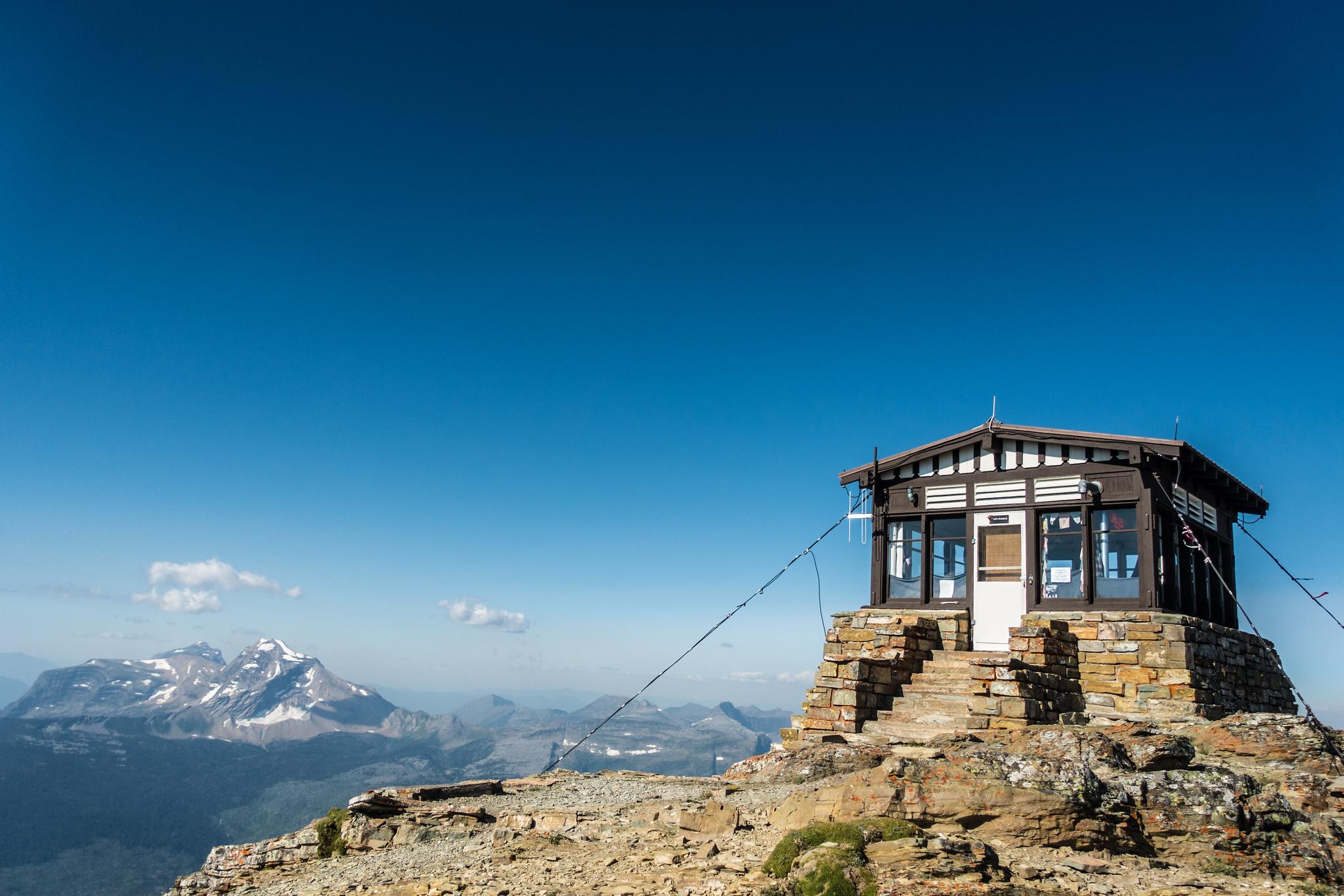
A showcase of melting glaciers, alpine meadows, carved valleys, and spectacular lakes. With over 700 miles of trails, Glacier is a paradise for adventurous visitors seeking a landscape steeped in human culture. Relive the days of old through historic chalets, lodges, and the famous Going-to-the-Sun Road.
Things To Do
Showing 6 of 20
Listen to Glacier's Podcast
Rangers recommend Glacier's podcast, Headwaters: a podcast about how Glacier is connected to everything else!
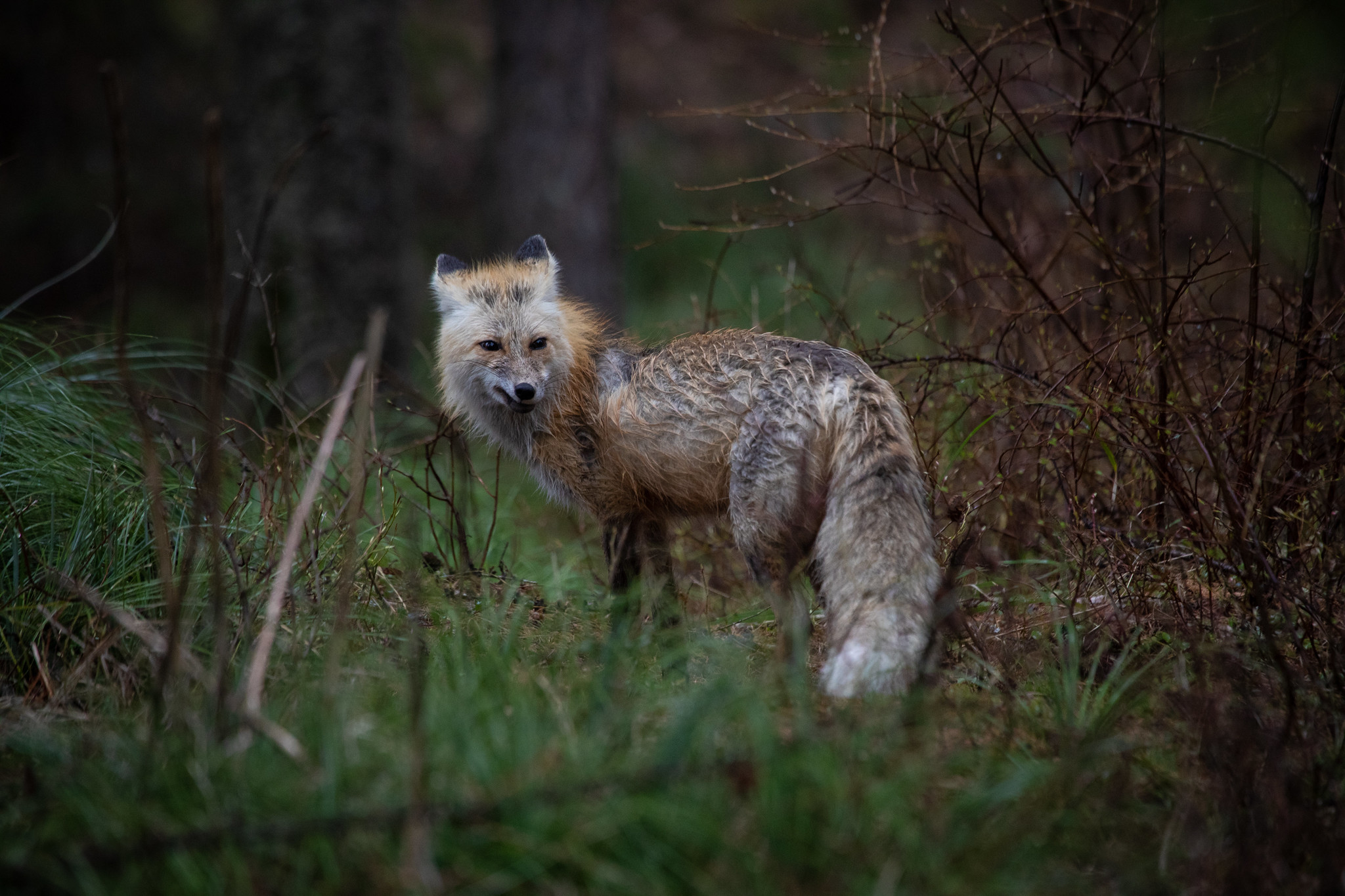
Red Foxes
Red foxes are found throughout the northern hemisphere. In Glacier, they are adapted to a wide range of habitats, from open grasslands to dense forests. Most abundant in riparian areas and along the edges of forests, they are the smallest of the canids found in the park. Red foxes occur in several color phases, but they usually have reddish-yellow coats that are somewhat darker on the back and shoulders, black "socks" on their lower legs, and a white-tipped tail.
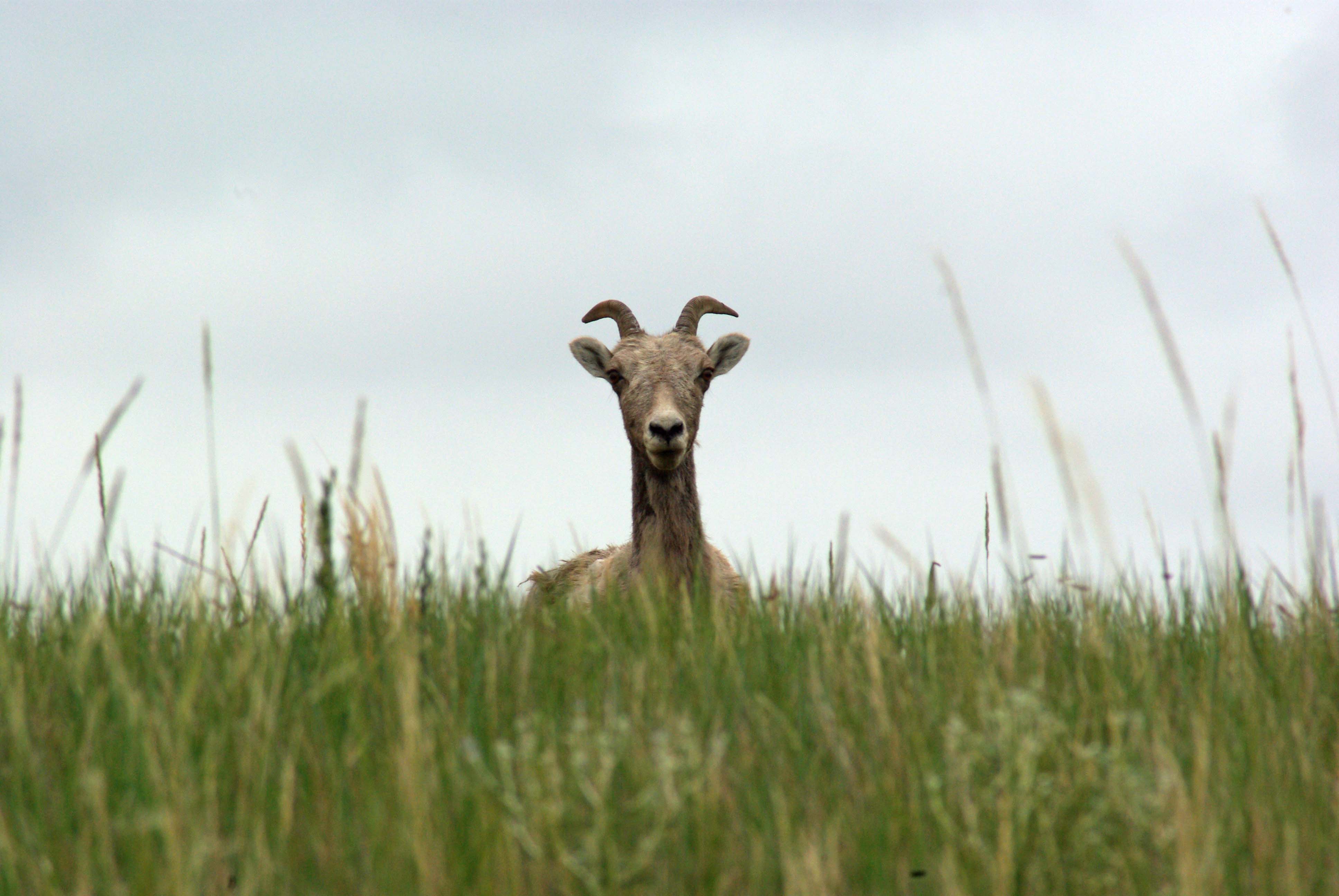
Bighorn Sheep
Bighorn sheep live in a variety of habitats throughout the year. During the summer, they can be found in meadows, fellfields, and on mid-elevation slopes bordered by cliffs and ledges. In the winter, sheep frequent windswept and south-facing valleys and ridges where forage is blown free of snow. Bighorn sheep can often be seen in the parking lot of Logan Pass licking antifreeze from the pavement, which is the most easily accessible source of salt in their diet.
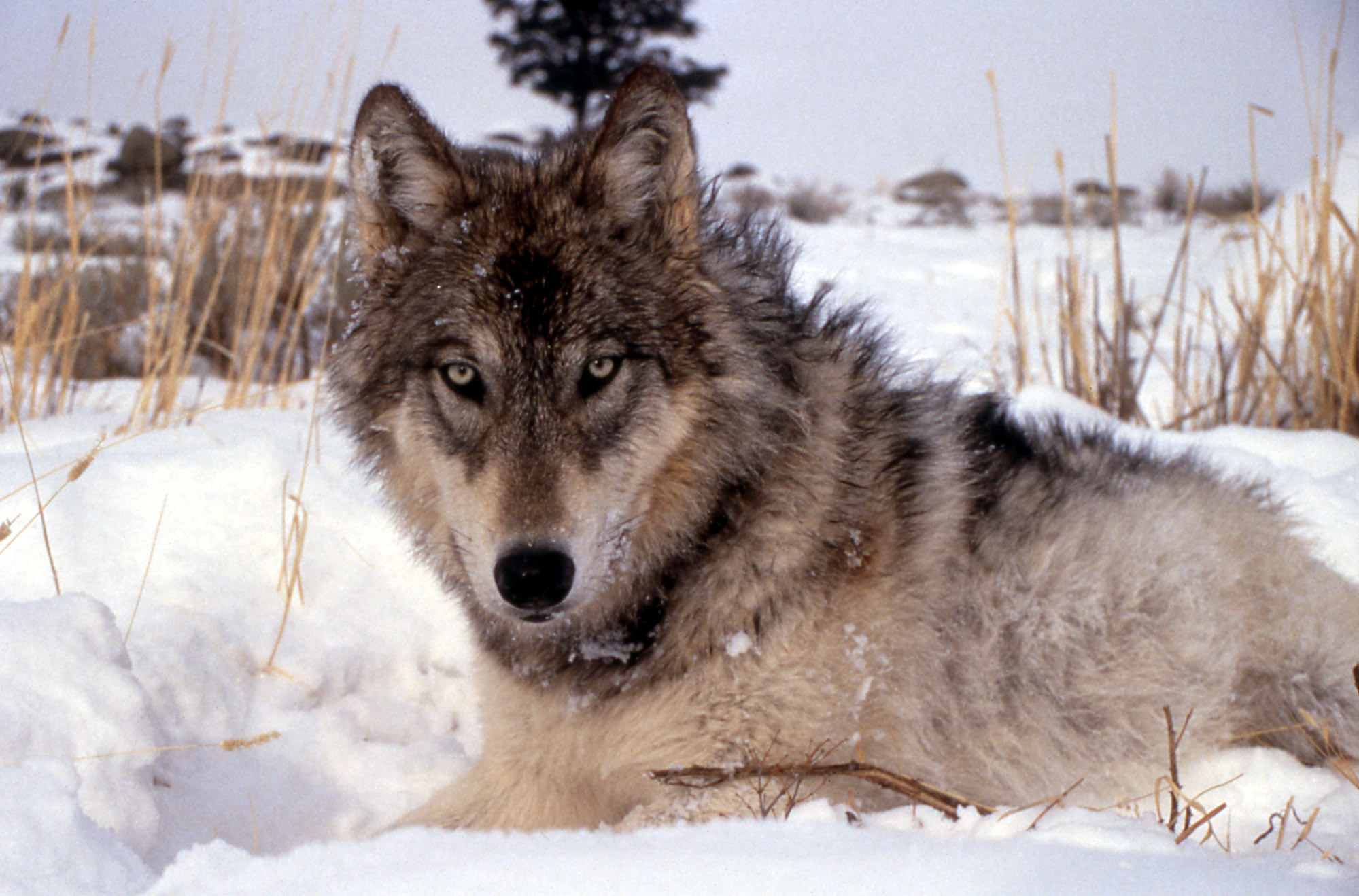
Gray Wolves
The subspecies of gray wolves (Canis lupus) found in Glacier is called the northern Rocky Mountain gray wolf (C. l. irremotus). There are three color variants: gray, white, and black. Wolves are secretive and elusive creatures, with sightings primarily being of lone wolves or pairs.
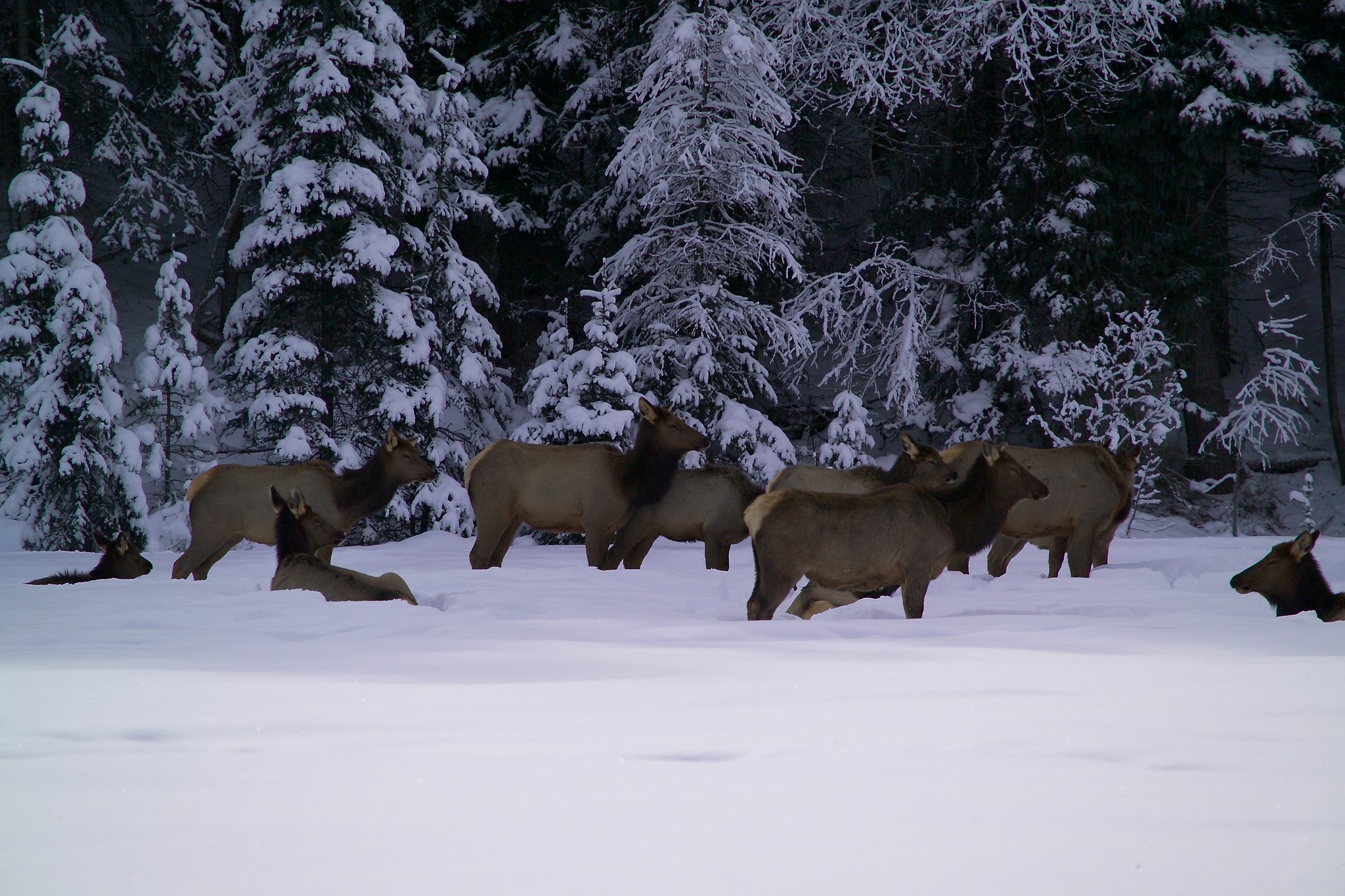
Elk
Glacier provides a summer range for a significant number of elk, while most winter at lower elevations outside the park. The subspecies occuring in Glacier is the Rocky Mountain elk (C. c. nelsoni). They feed on grasses, sedges, other herbs and shrubs, bark of aspen trees, conifer needles, burned bark, and aquatic plants.
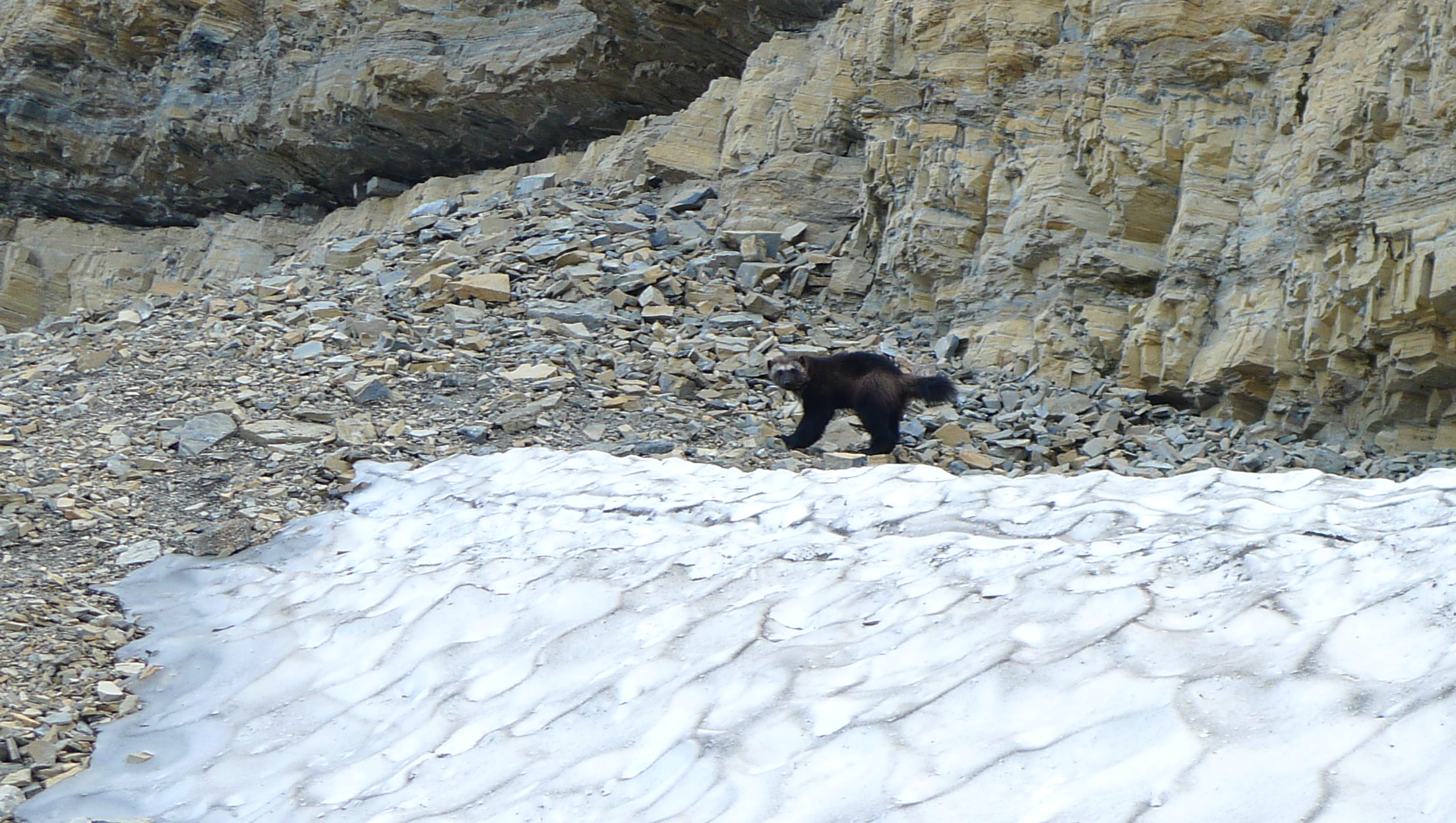
Wolverines
A mid-sized carnivore in the weasel family, the wolverine is active throughout the year in cold, snowy environments to which it is well-adapted. Wolverines are rarely seen and inhabit remote terrain. They are also known as one of the rarest and most elusive carnivores on the planet.
Available Activities
Weather
Glacier's weather is highly variable and can be extreme. Expect warm, sunny summer days but be ready for any type of conditions. In the winter, temperatures can fall well below freezing and typically the park receives considerable amounts of snow.
Glacier's geography, straddling the Continental Divide, sets the stage for clashes of two very different climates. Warm, wet Pacific air moves in from the west, and cold, dry Arctic air flows from the northeast. They meet at the Divide.
Getting There
Glacier National Park is located in the northwest corner of Montana along the spine of the Rocky Mountains. By car you can access Glacier via Highway 2, which runs along the southern boundary of the park. You can reach the east side of the park via Highway 89.
The nearest airports are in Kalispell and Great Falls, Montana.
Plan Your Visit
Let Cairn help you plan the perfect trip to Glacier National Park with AI-powered itineraries.
Start PlanningHours
Glacier National Park
Glacier National Park is open 24 hours a day 365 days of the year. An entrance fee is required, even when entrance stations are not staffed. Instructions are available at each entrance for self-payment.
Entrance Fees
Entrance - Private Vehicle
(Winter Rate - $25.00, November 1 to April 30) This is an entrance fee for all persons traveling in a single, private, non-commercial vehicle (car/truck/van). The pass is good for seven days and is non-transferable. Visitors can enter the park at any time, if the entrance station is not staffed, a self-registration area is available for purchasing a 7-day park pass.
Entrance - Per Person
(Winter Rate - $15.00, November 1 to April 30) This is a per person entrance fee for a visitor traveling on foot, bicycle, or for individuals traveling together in a vehicle as a non-commercial, organized group. The pass is good for seven days and is non-transferable.
Entrance - Motorcycle
(Winter Rate - $20.00, November 1 to April 30) Valid for 7 days. Admits up to 2 private, non-commercial motorcycles with up to 4 total passengers.
Commercial Entrance - Sedan
Entrance fees are based on the seating capacity of the vehicle (driver not included). Commercial Sedan entrance fee is $25, plus $20 per person, 16 years of age or older. The pass is good for seven days and is non-transferable.
Commercial Entrance - Van
Entrance fees are based on the seating capacity of the vehicle (driver not included). Commercial Van entrance fee is $75 regardless of occupancy. The pass is good for seven days and is non-transferable.
Commercial Entrance - Mini-bus
Entrance fees are based on the seating capacity of the vehicle (driver not included). Commercial Mini-bus entrance fee is $100 regardless of occupancy. The pass is good for seven days and is non-transferable.
Commercial Entrance - Motor Coach
Entrance fees are based on the seating capacity of the vehicle (driver not included). Commercial Motor Coach fee is $200 regardless of occupancy. The pass is good for seven days and is non-transferable.
Nonresident
Each non-US resident aged 16 and older visiting Glacier National Park must pay a $100 nonresident fee (in addition to the standard entrance fee), unless admitted with an Annual or America the Beautiful Pass. This includes nonresidents entering as part of a commercial tour group, commercial use authorization (CUA) group, or concessioner tour group.